Halfway through the ramp program at the Interstate Interchange Reconstruction, the project team marked a milestone that matters more to drivers than any concrete pour. Every traffic switch so far had reopened on time, and not a single rush hour had lost a lane. The crews who made that happen did it mostly at night, a few feet from moving traffic.
A promise built into the plan
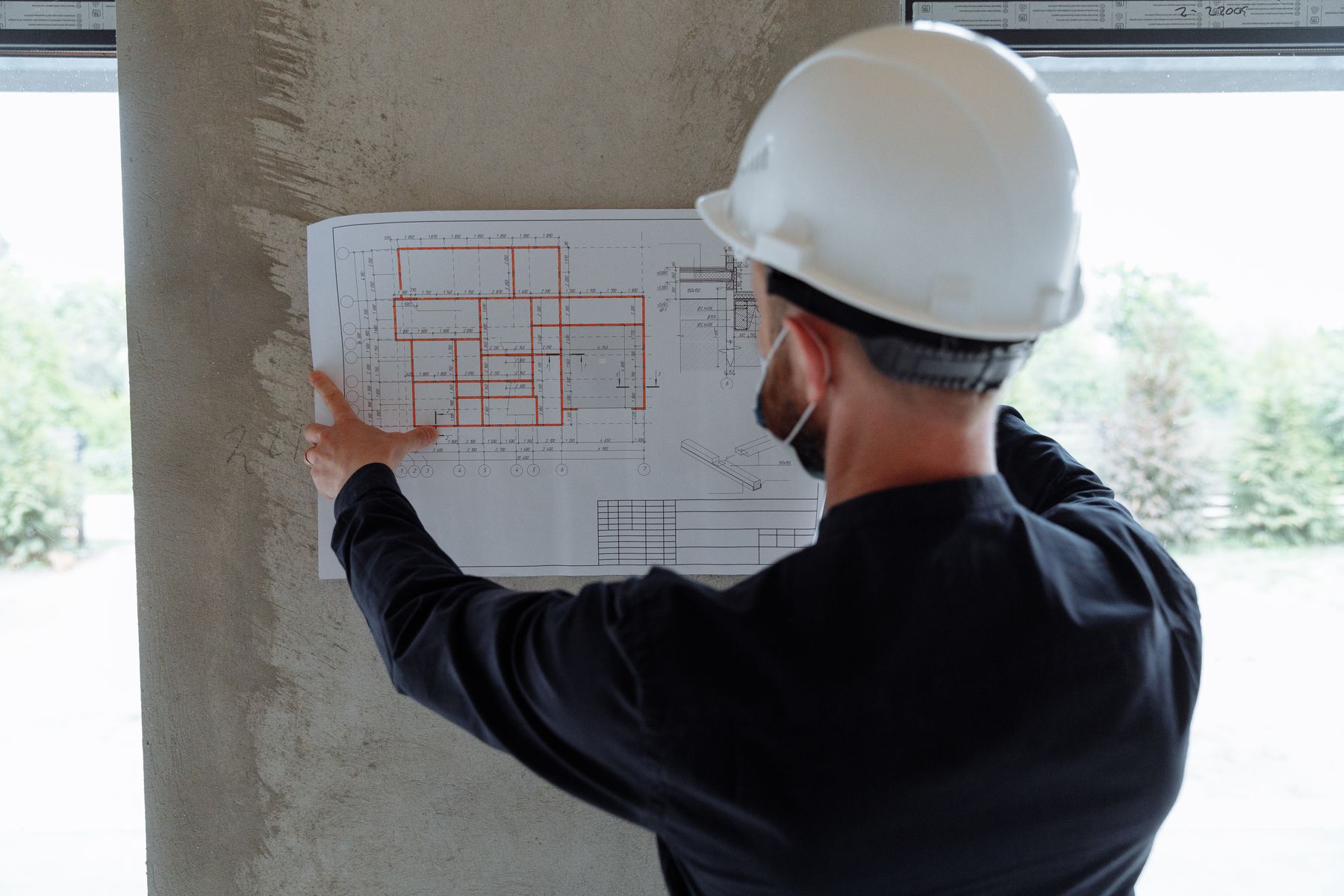
Keeping lanes open at rush hour was not a hope. It was a requirement written into the phasing plan from the first day of design. Every closure on the project was planned backward from its reopening time, with a buffer for the unexpected and a fallback if the work could not finish. Superintendents reviewed each closure plan the day before and again at the start of the shift.
How the crews protect each other
Night work beside traffic brings its own hazards: moving vehicles, equipment backing in low light and picks made over lanes that will carry commuters a few hours later. The interchange team runs the same disciplines every shift.
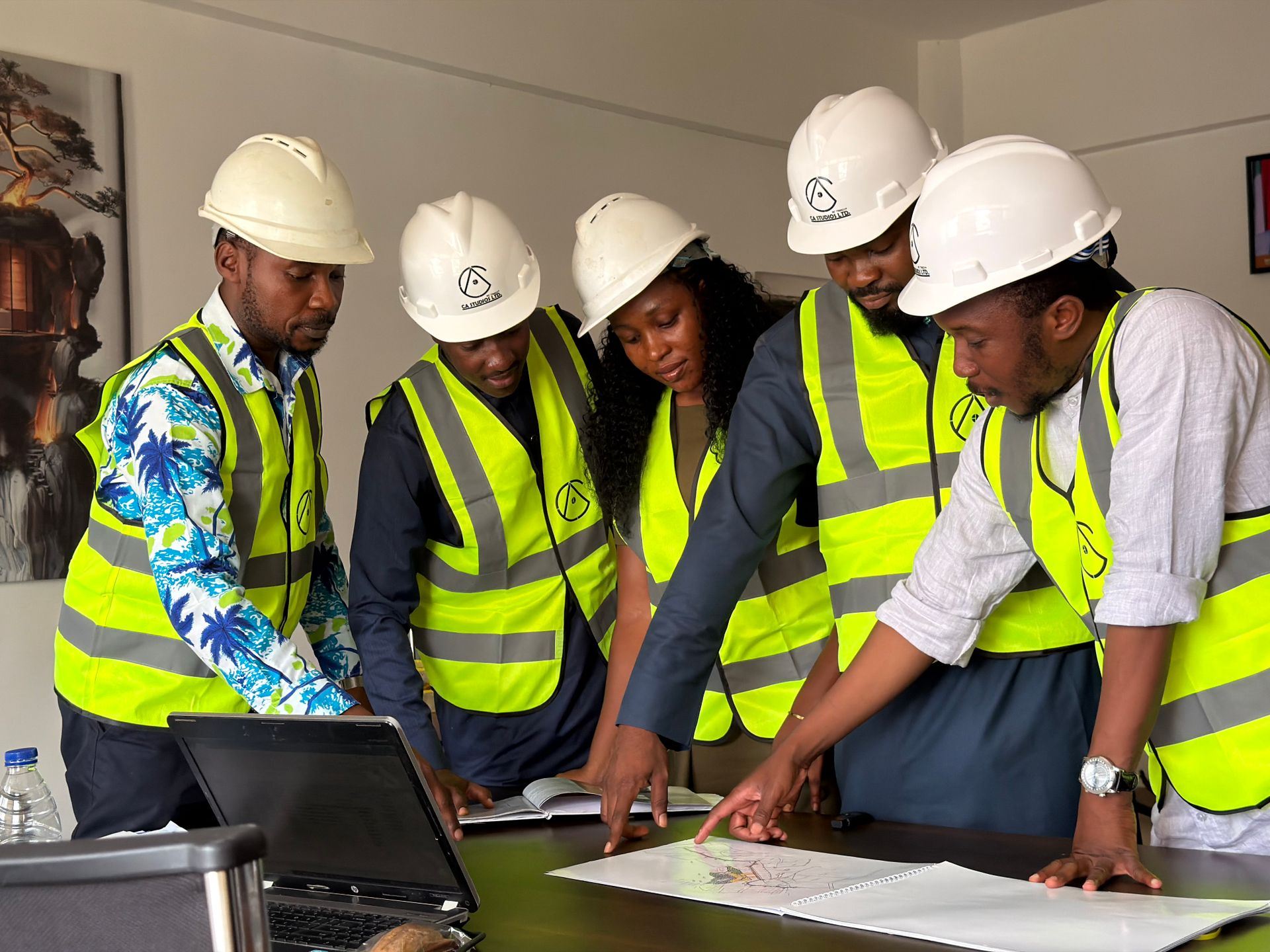
- A plan before every task. Crews walk the work area together, name the hazards and agree how to control them before work starts.
- Barrier over cones. Wherever the phasing allows, work happens behind positive protection, and access points into the work zone are planned as carefully as the work.
- Light and visibility. Planned lighting, high-visibility gear and dedicated spotters for equipment moving near people.
- Anyone can stop the work. Every worker on site, ours or a trade partner's, has the authority to stop a task that looks wrong.
- One standard. Trade partners join the same orientation and the same daily huddles as our own crews.
We do not schedule around safety. Safety is part of the schedule. A closure plan that is not safe is not a plan, no matter how fast it looks on paper.
Safety lead, GilbertLanham
Back to the next shift
Milestones can make a team comfortable, and comfort is its own hazard. The crews marked the day over breakfast after a night shift, then went back to the next closure plan. The remaining ramps carry the same promise. If your corridor has to stay open while you rebuild it, talk to us about how we plan the work around the people who use it.