Carbon is a line item now.
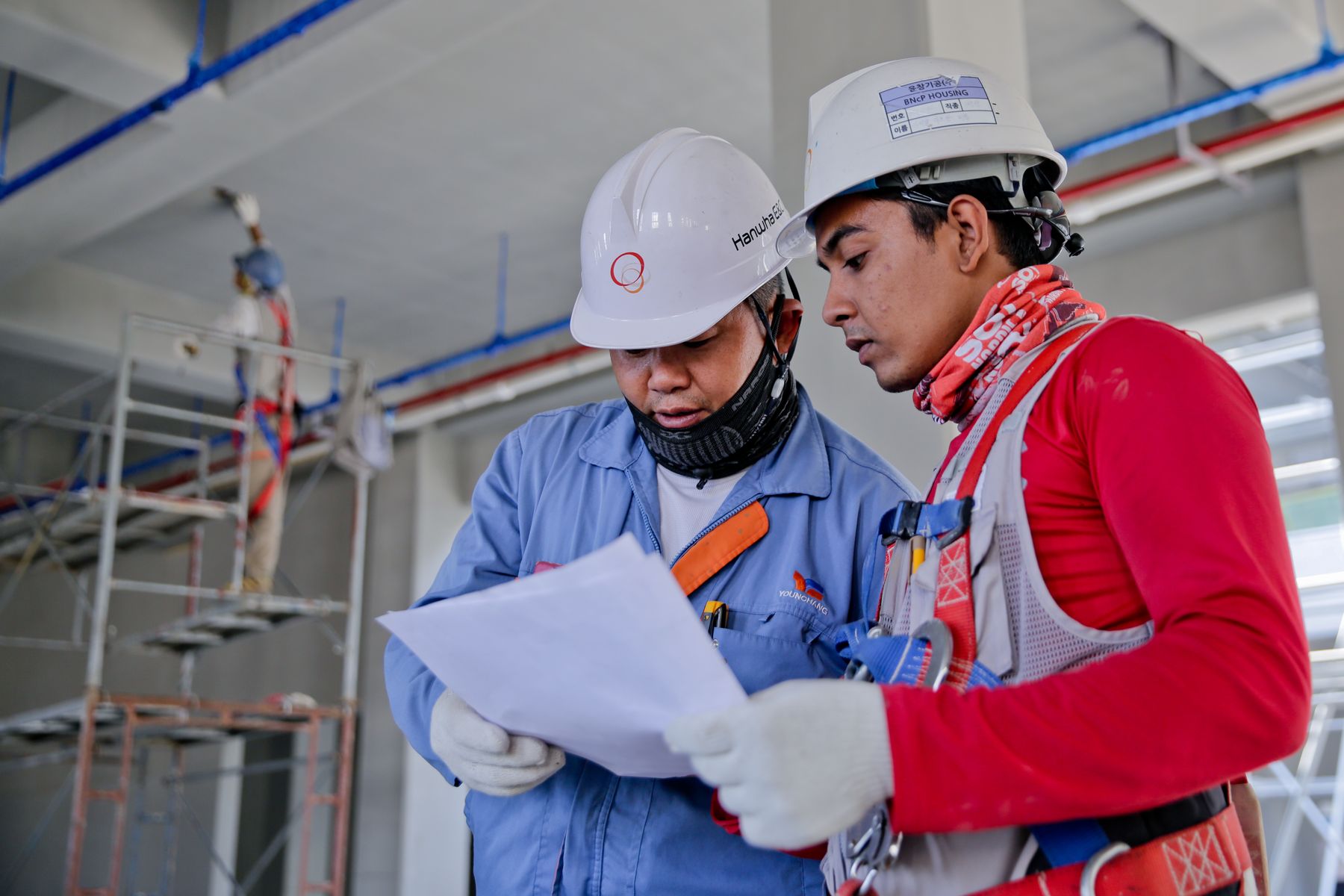
We track embodied carbon, energy and waste with the same discipline we apply to cost and schedule, then prove performance through commissioning before you take the keys.
What is at stake.
The carbon is spent at the batch plant
Concrete, rebar, steel and glass account for much of a new building’s carbon footprint. Those choices are locked in during design and buyout, not after move-in.
Targets need a paper trail
Agencies, institutions and investors set carbon, energy and waste goals. Meeting them means someone on the jobsite tracks and documents every load.
Efficient on paper is not efficient
Systems that are never tested and tuned can waste energy for years. Performance has to be measured, not assumed.
How we build it in.
- 01
Carbon priced next to cost
Structural and envelope options are compared on embodied carbon and dollars side by side, using supplier product declarations where they exist.
- 02
Concrete mixes matched to the schedule
We test lower-cement mixes with the ready-mix supplier and the structural engineer, then place them on pours where slower strength gain does not touch the critical path.
- 03
Waste tracked by the ticket
Sorted containers, recycling haulers and supplier packaging take-back, with monthly hauler tickets that show where each load ended up.
- 04
Clean, dry construction
Duct protection, low-emitting materials and moisture monitoring keep the finished building clean and dry at turnover.
- 05
Commissioning on the critical path
Functional testing of mechanical, electrical and controls systems is scheduled as real work with the commissioning agent, not squeezed into the last week.
What lands on your desk.
Scope is set project by project. These are the working documents you can count on, updated on a regular cycle and yours to keep.
Embodied carbon and first cost for the major structural and envelope choices, on one page.
Mix designs with strength data, cement replacement levels and the pours each mix is approved for.
Hauler tickets and diversion totals by material stream, ready for reporting.
Construction-phase documentation organized for whichever rating system your team has chosen.
Test results, issue logs and closed corrections for every commissioned system.
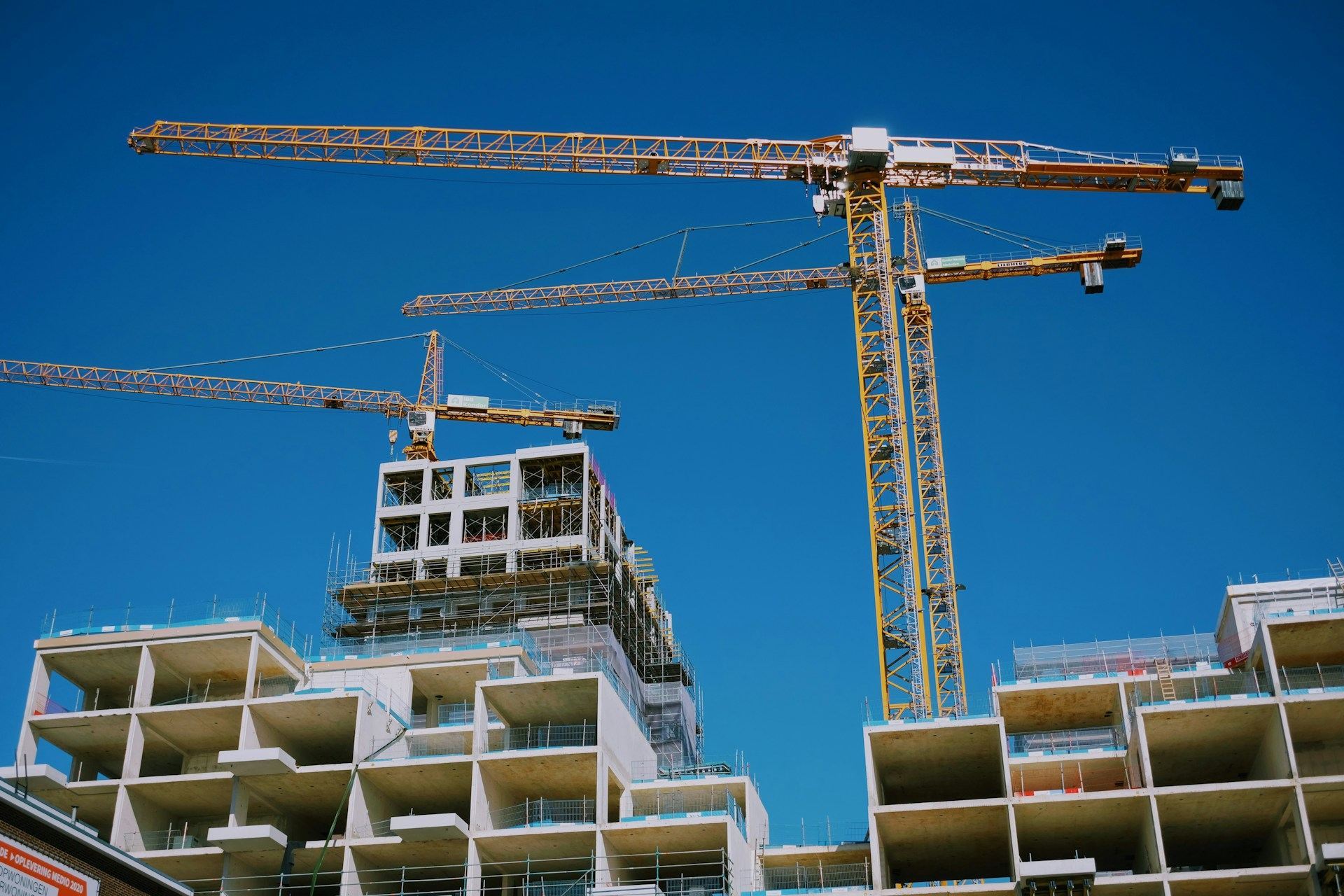
Thirty-six floors, tracked pour by pour.
A 36-story tower is mostly concrete, so the concrete plan was the carbon plan. Each pour type was matched to a mix and a cure window that fit the floor cycle, and the structure topped out a month ahead of plan. The rooftop pool and hotel-grade amenity floors were commissioned as working systems before residents arrived.
- 36
- Stories
- 1 month
- Ahead of plan at topping out
- 2025
- Completed

What owners want to know.
Does low-carbon concrete slow the job?
Only if it is placed in the wrong pours. Some mixes gain strength more slowly, so we test early and assign them to elements where cure time has float.
Are sustainable options more expensive?
Some cost more up front, some cost less, and some pay back in operations. We price each one with its carbon and operating effect so you decide with the full picture.
Can you support a green building rating?
Yes. We manage the construction-phase requirements and documentation for the rating system the owner and design team select.
Bring us the schedule that worries you.
Share the drawings, the budget or the date you cannot miss. A GilbertLanham project lead will walk through the critical path with you and tell you plainly where the risk sits.