Every lane open at rush hour.
Interchanges, corridor reconstruction, widenings and bridges, staged so commuters keep driving and freight keeps moving while we rebuild underneath them.
What is really at stake.
Traffic staging is the design
Each lane shift, detour and temporary ramp decides how fast the job can move. Staging is planned with the design, not after it.
Windows close at dawn
Overnight and weekend closures are short and permitted in advance. A late reopening costs the agency, the public and the contractor.
The ground is full of utilities
Gas, water, fiber and power run under the right of way. Each relocation has to clear ahead of the crews who need that ground.
Where we work.
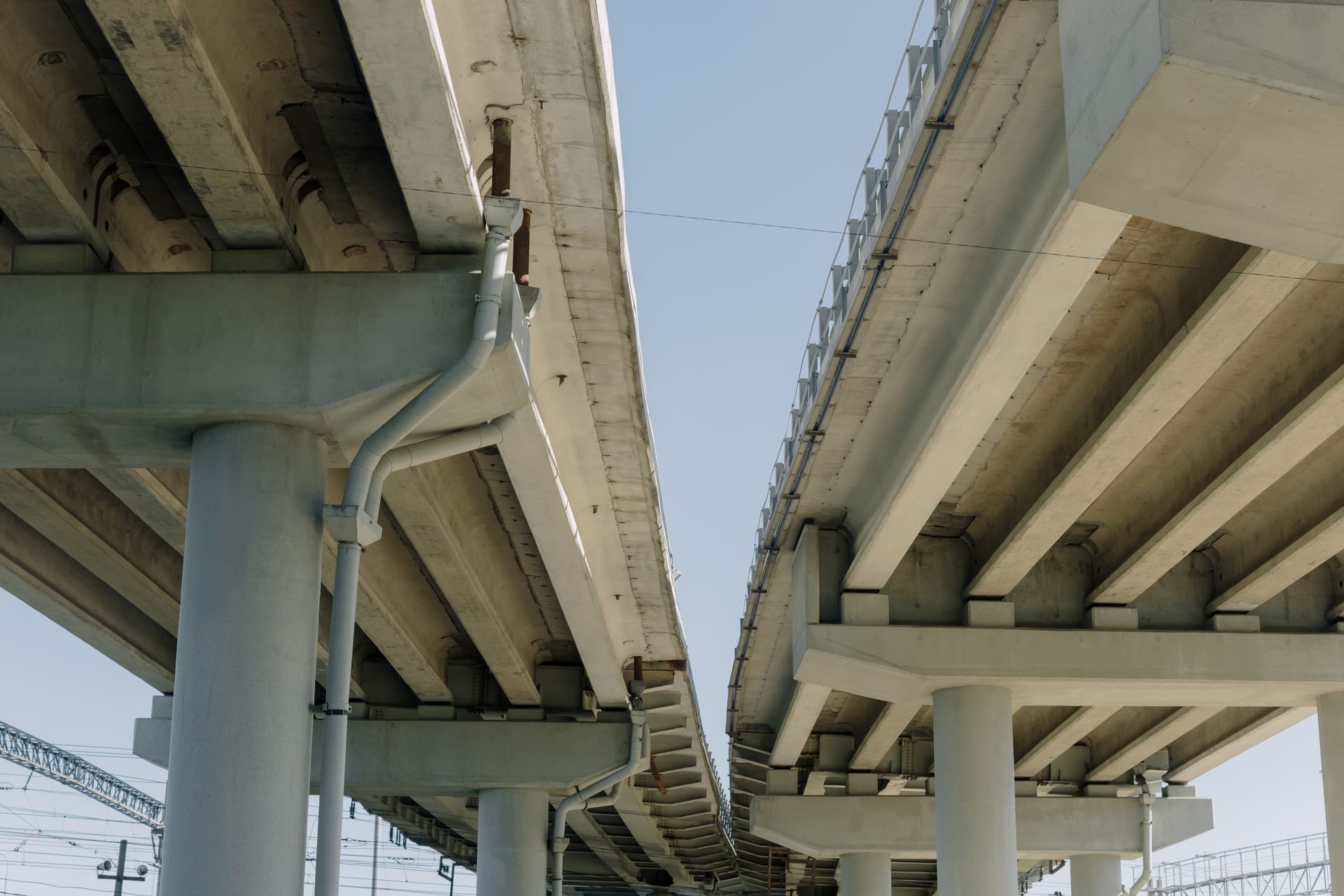
- 01
Interchange reconstruction
Cloverleafs and outdated ramps rebuilt as modern interchanges, stage by stage.
- 02
Corridor reconstruction
Full-depth pavement, drainage, lighting and signals rebuilt under live traffic.
- 03
Bridges and flyovers
Foundations, piers and overnight girder sets for new and widened structures.
- 04
Widening and managed lanes
Added capacity and shoulder work built to state DOT standards.
How we run the job.
The capabilities that carry the most weight in this market.
One team for design and construction, so traffic staging shapes the alignment early.
Our own crews for earthwork, paving, drainage and structures.
Quantities, staging and utility conflicts priced before the proposal goes in.
Drone surveys and 4D staging models that show every traffic shift before it happens.
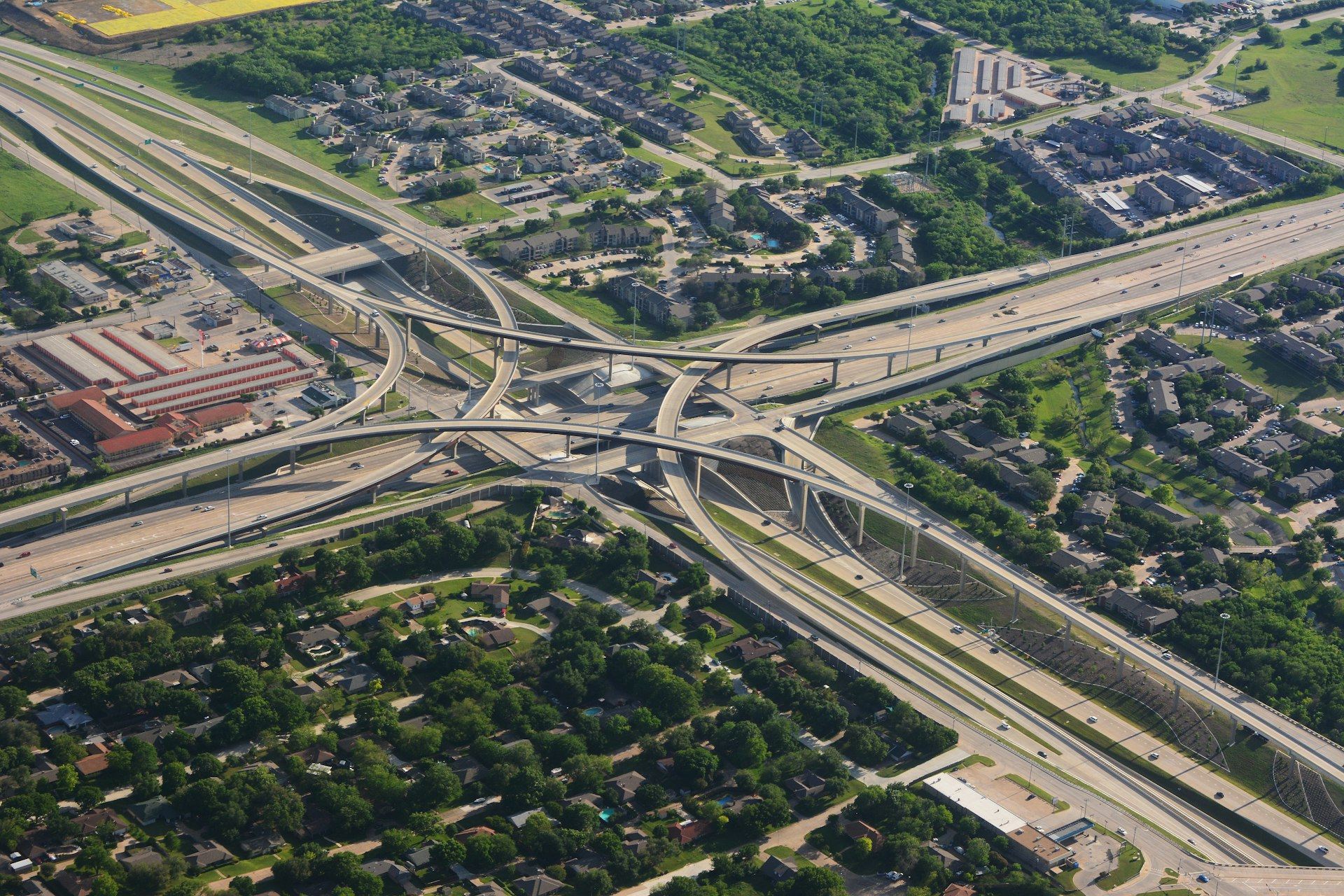
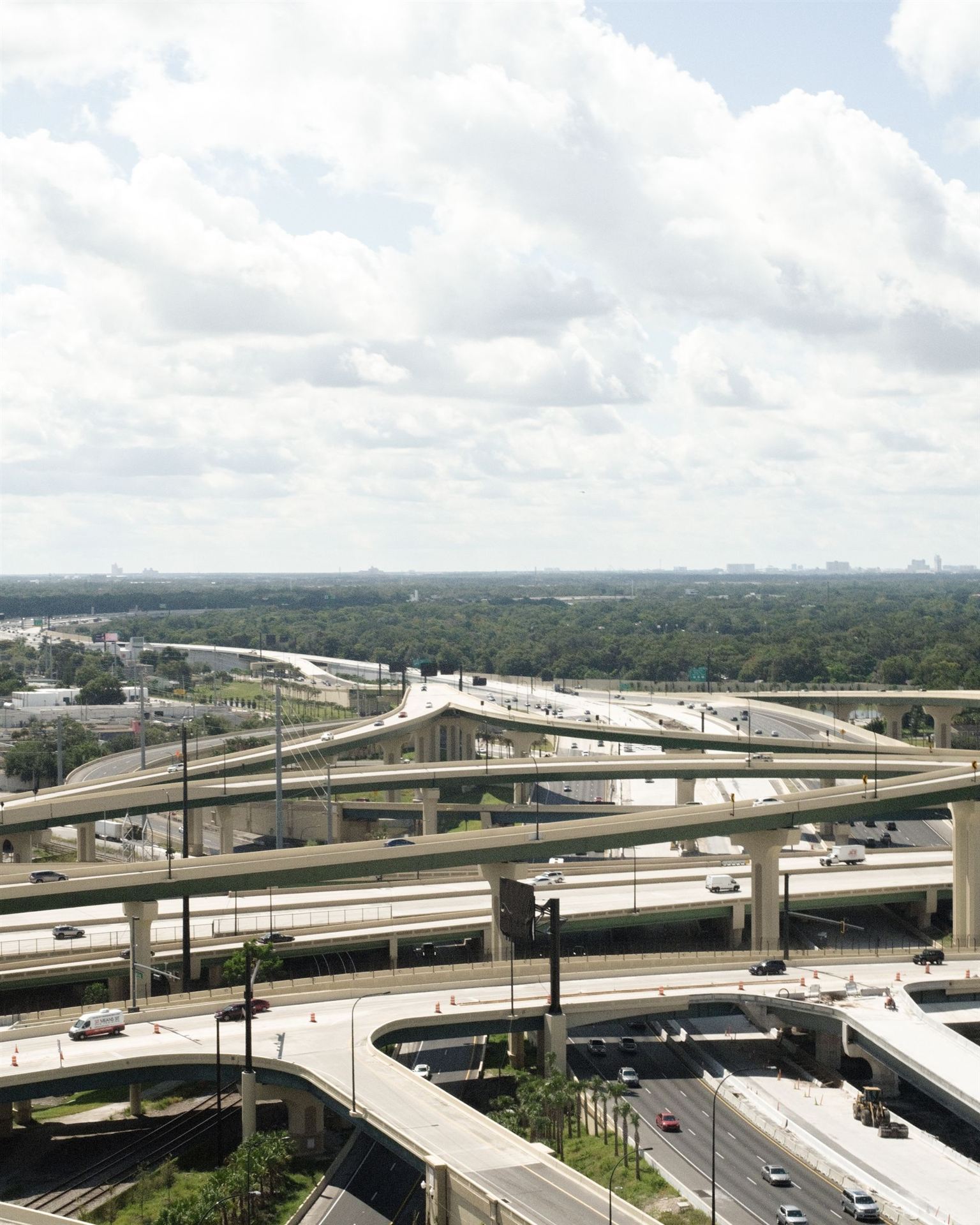
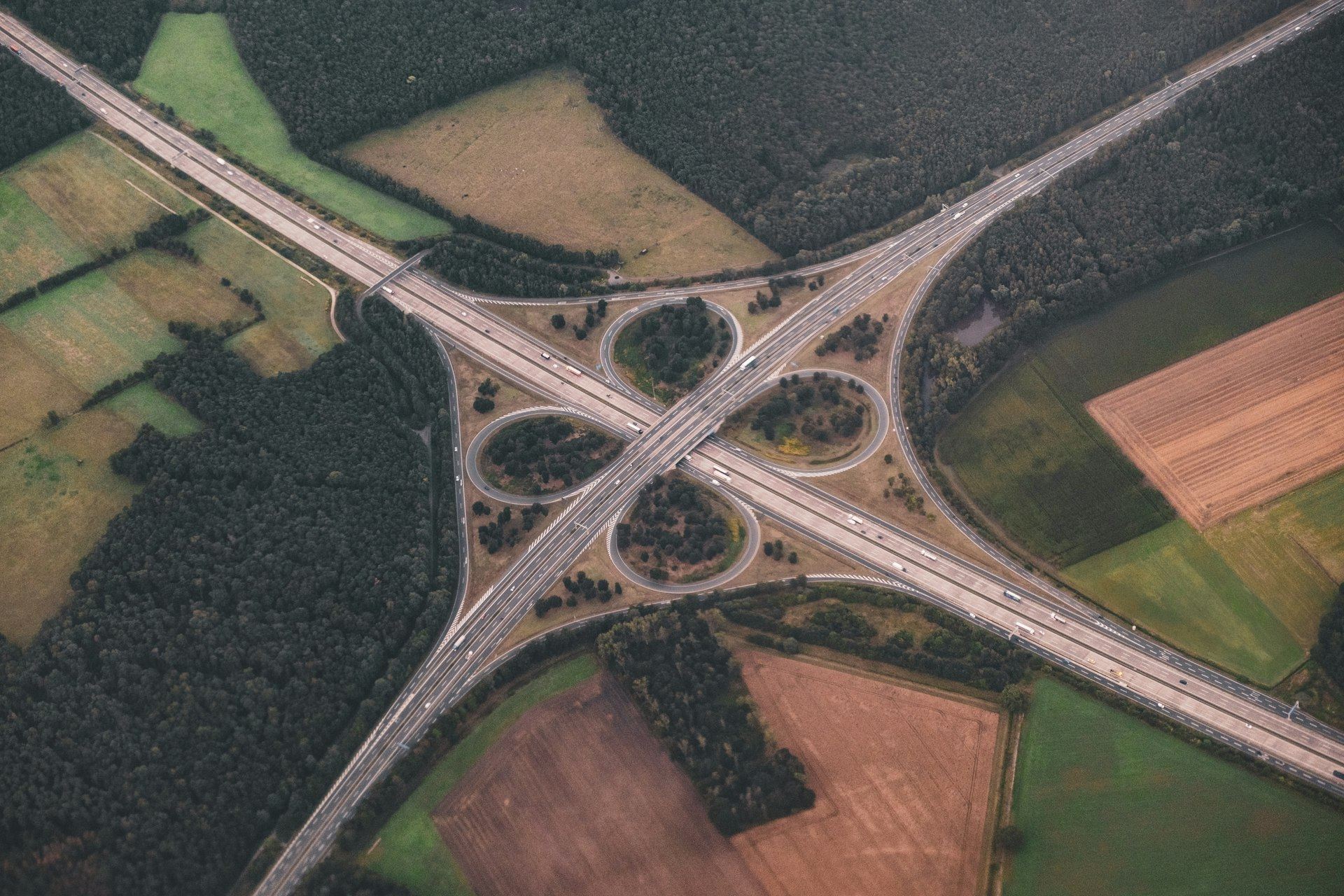
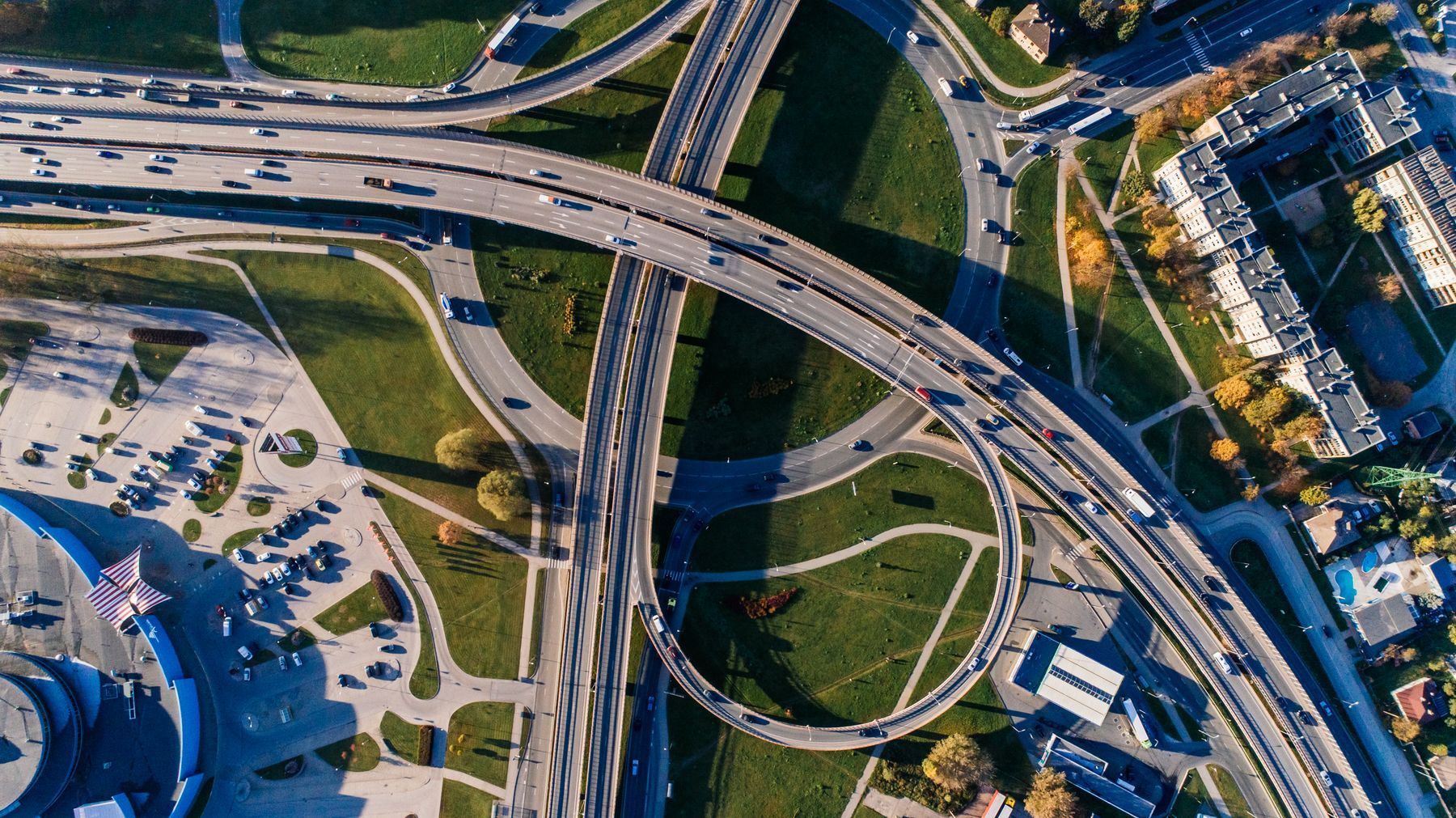
A cloverleaf rebuilt without closing rush hour.
The interchange was rebuilt as a modern system interchange under a design-build contract. Traffic staging was modeled ramp by ramp, closures ran only in permitted overnight windows, and utility relocations were cleared ahead of each stage so every lane stayed open through the morning and evening peaks.
- 7
- Ramps rebuilt
- Design-build
- Delivery
- 2024
- Completed
Questions worth asking first.
How do you keep traffic moving?
We build the traffic plan with the design. Every stage has a lane layout, a detour and a reopening time agreed with the agency before work begins.
How do you manage utility conflicts?
We locate utilities early, track each relocation in the schedule as its own activity and sequence crews so no one waits on a conflict.
Why choose design-build for highway work?
It lets construction staging shape the design, so early packages can start sooner and fewer surprises reach the field.
Planning a highways & roads project?
Share the project, the site and the date that matters. A senior builder will come back to you within one business day.