
Price the risk before you build it.
Estimators, schedulers and superintendents who sit with your design team from concept, turn every drawing into cost and time, and give you numbers you can defend in the boardroom.
What is at stake.
The cheapest change is on paper
Moving a shaft, resizing a footing or switching a facade system costs a meeting during design. The same decision after mobilization costs crews, rework and weeks.
A budget without a schedule is half a budget
Every month of duration carries general conditions, escalation and financing. We price time as carefully as we price concrete.
Assumptions expire
A quote from last spring may not survive the summer. Pricing has to be refreshed against live trade bids and supplier lead times, or it quietly goes stale.
How we plan it.
- 01
Model-based quantity takeoff
Quantities come straight from the design model and are checked by hand on the scopes that drive cost, so the estimate tracks the drawings as they change.
- 02
Schedule built alongside the estimate
Our schedulers draft the critical path in the same weeks the estimators price the work. Duration and cost are reconciled together, not in separate rooms.
- 03
Constructability and logistics reviews
Superintendents mark up each design set for crane reach, laydown, access, tie-ins and phasing, then price the fixes before the set is issued.
- 04
Live trade and supplier pricing
We test key packages with trade partners and manufacturers during design, confirm crew availability and flag long-lead equipment early.
- 05
Priced risk register
Each unknown gets an owner, a probability, a cost and a schedule effect. Contingency is sized from the register, not picked as a round number.
What lands on your desk.
Scope is set project by project. These are the working documents you can count on, updated on a regular cycle and yours to keep.
A full estimate at each design stage with a variance bridge that explains every move from the last one.
A logic-tied schedule from permits and buyout through commissioning, with float shown where it actually exists.
Priced alternatives showing first cost, schedule effect and operating cost, so each choice is made on facts.
Crane locations, gates, laydown, hoists and phase lines drawn on the site plan before anyone mobilizes.
Order dates for critical equipment and materials, tied back to the activities they feed.
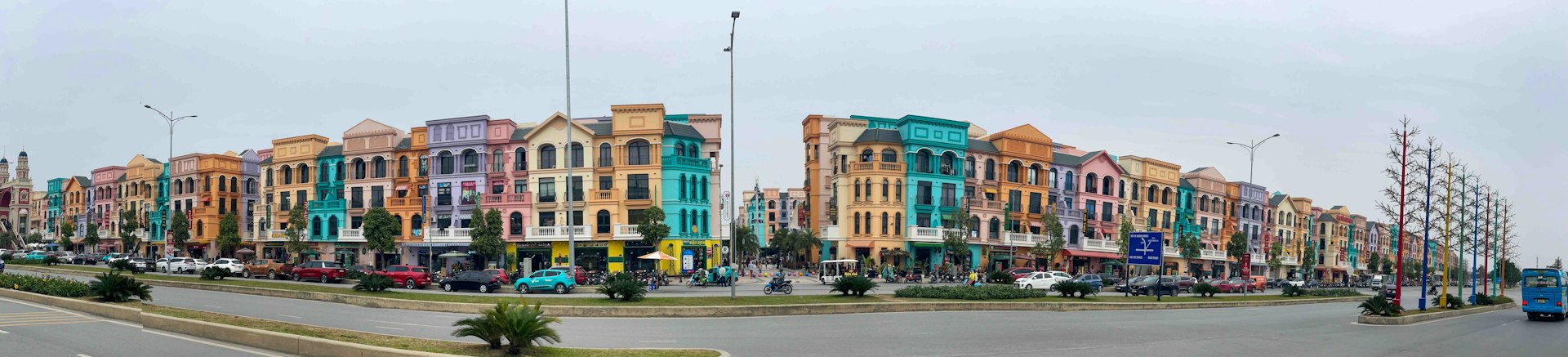
Planning a block around live platforms.
Offices, homes, shops and a public plaza had to rise on a rail station that could not close. Preconstruction meant drawing the phasing, crane reach and track-side access before the budget was set, then pricing each phase against the windows the railroad could give. The block was built without closing the platforms.
- 6
- Acres on a working station
- 0
- Platform closures
- 2025
- Completed


What owners want to know.
How early should we bring you in?
At concept, if you can. The earlier the cost model and the schedule start, the more design decisions they can still influence. Late involvement turns preconstruction into a pricing exercise.
Is there a fee for preconstruction?
That depends on the delivery model and scope. We set the fee or allowance in writing before work begins, so you know exactly what you are paying for.
Can you check an estimate or schedule prepared by someone else?
Yes. We review third-party estimates and schedules for missing scope, broken logic and unrealistic durations, and tell you plainly what we find.
Bring us the schedule that worries you.
Share the drawings, the budget or the date you cannot miss. A GilbertLanham project lead will walk through the critical path with you and tell you plainly where the risk sits.