The plan comes before the storm.
Crews, equipment and agreements set up in advance, so when the worst happens we can stabilize your site, restore operations and rebuild stronger without starting from zero.
What is at stake.
Every hour adds damage
Standing water, open roofs and unstable structures get worse by the hour. Fast stabilization shrinks what has to be rebuilt.
A regional event empties the market
After a major storm, crews, equipment and materials are spoken for. Owners without agreements in place wait their turn.
Essential services come first
Hospitals, schools, water systems and roads have to come back first. Temporary facilities and phased recovery keep them running.
How we respond.
- 01
Agreements before the event
Scope, rates and call-out steps are set with you ahead of time, so mobilization starts with one phone call instead of a procurement cycle.
- 02
Stabilize and dry in
Crews secure damaged structures, close roofs and openings, shore unsafe elements and restore temporary power and water to critical areas.
- 03
Clear and document
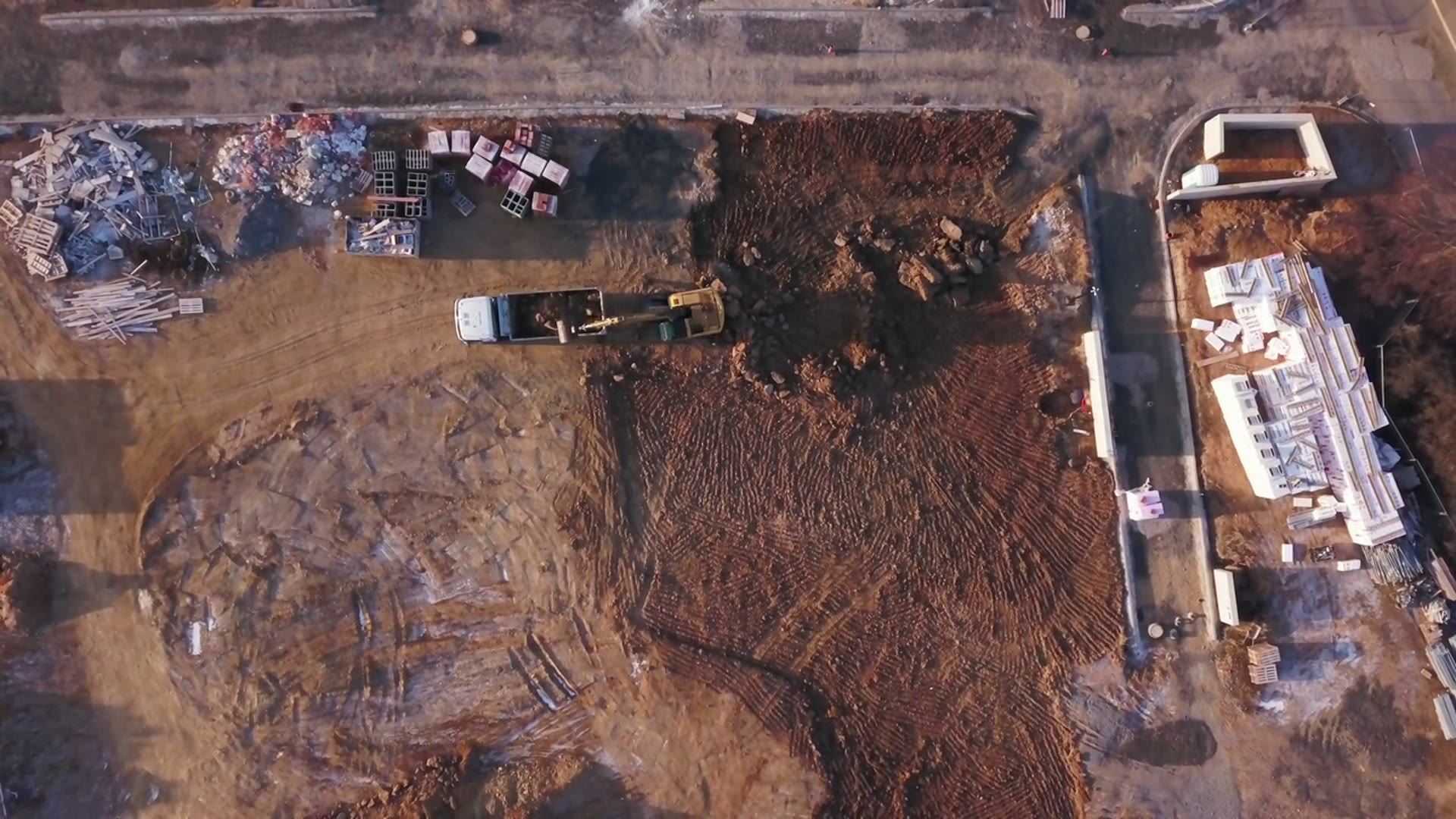
Our equipment clears access routes and hauls debris, while quantities are logged daily in the form insurers and public funding programs expect.
- 04
Temporary facilities
Modular clinics, classrooms, offices and housing with temporary utilities, so essential services keep operating through the rebuild.
- 05
Recovery on a real schedule
Permanent repairs are scoped, priced and sequenced in a recovery schedule that brings critical spaces back first, with resilience upgrades priced as options.
What lands on your desk.
Scope is set project by project. These are the working documents you can count on, updated on a regular cycle and yours to keep.
Scope, rates, contacts and mobilization steps, reviewed with you each year.
Priorities, access routes, staging areas and critical systems for each facility covered.
Photo, drone and field records of damage, with a prioritized scope for stabilization and repair.
Daily logs of labor, equipment and debris quantities organized for insurance and public assistance claims.
A phased plan that restores essential spaces first and closes out permanent repairs.
Building flood defense in storm season.
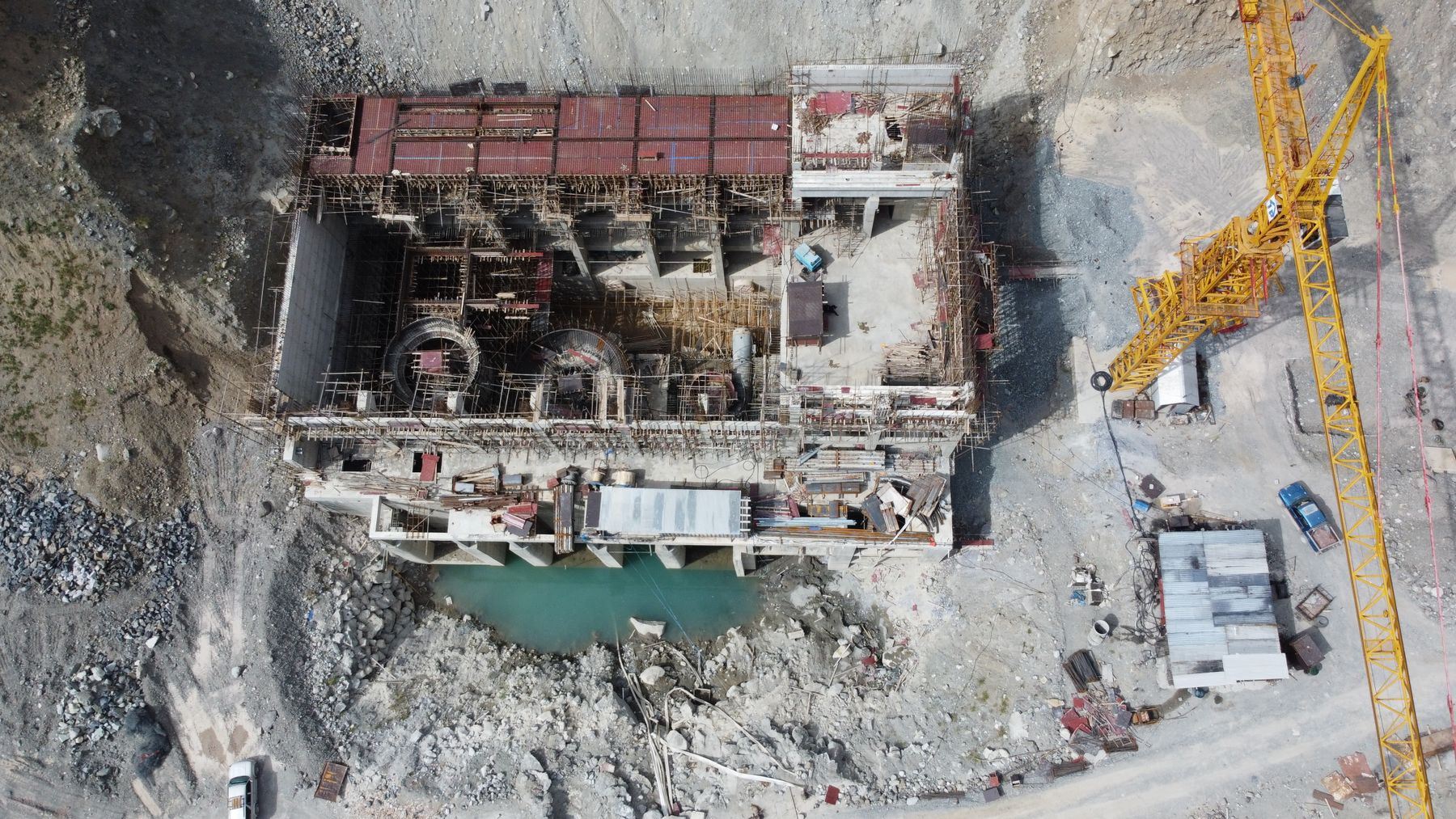
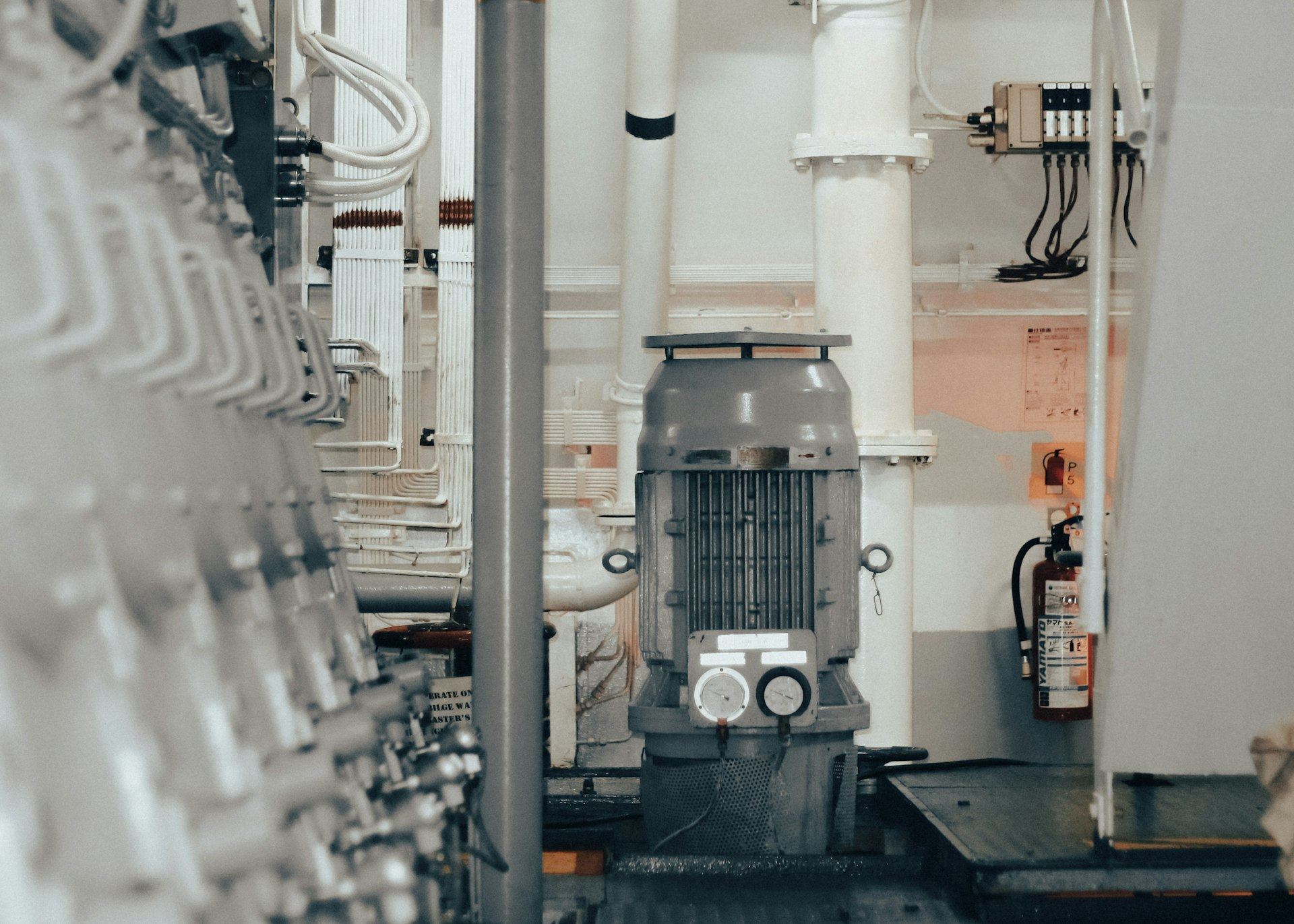
A flood-protection pump station and treatment upgrade had to be built inside a working plant, through two hurricane seasons. Every phase carried a storm plan with triggers for securing equipment and open excavations, and temporary pumping kept the plant protected while permanent capacity came online.
- 120 MGD
- Pumping and treatment capacity
- 2
- Hurricane seasons worked through
- 2023
- Completed

What owners want to know.
How quickly can you mobilize?
It depends on the event and the location. Owners with a readiness agreement are at the front of our response plan, with crews staged as soon as it is safe.
Will you help with insurance and public funding records?
Yes. We track labor, equipment, materials and debris every day in the format adjusters and public agencies expect.
Do you rebuild to the old design?
We rebuild to current codes and price resilience upgrades, such as raised equipment, stronger roof attachment or backup power, so you choose what to add.
What does a readiness agreement cost to set up?
It is a planning exercise. We agree the terms with you up front, and response work is billed at the agreed rates only when it is needed.
Bring us the schedule that worries you.
Share the drawings, the budget or the date you cannot miss. A GilbertLanham project lead will walk through the critical path with you and tell you plainly where the risk sits.