
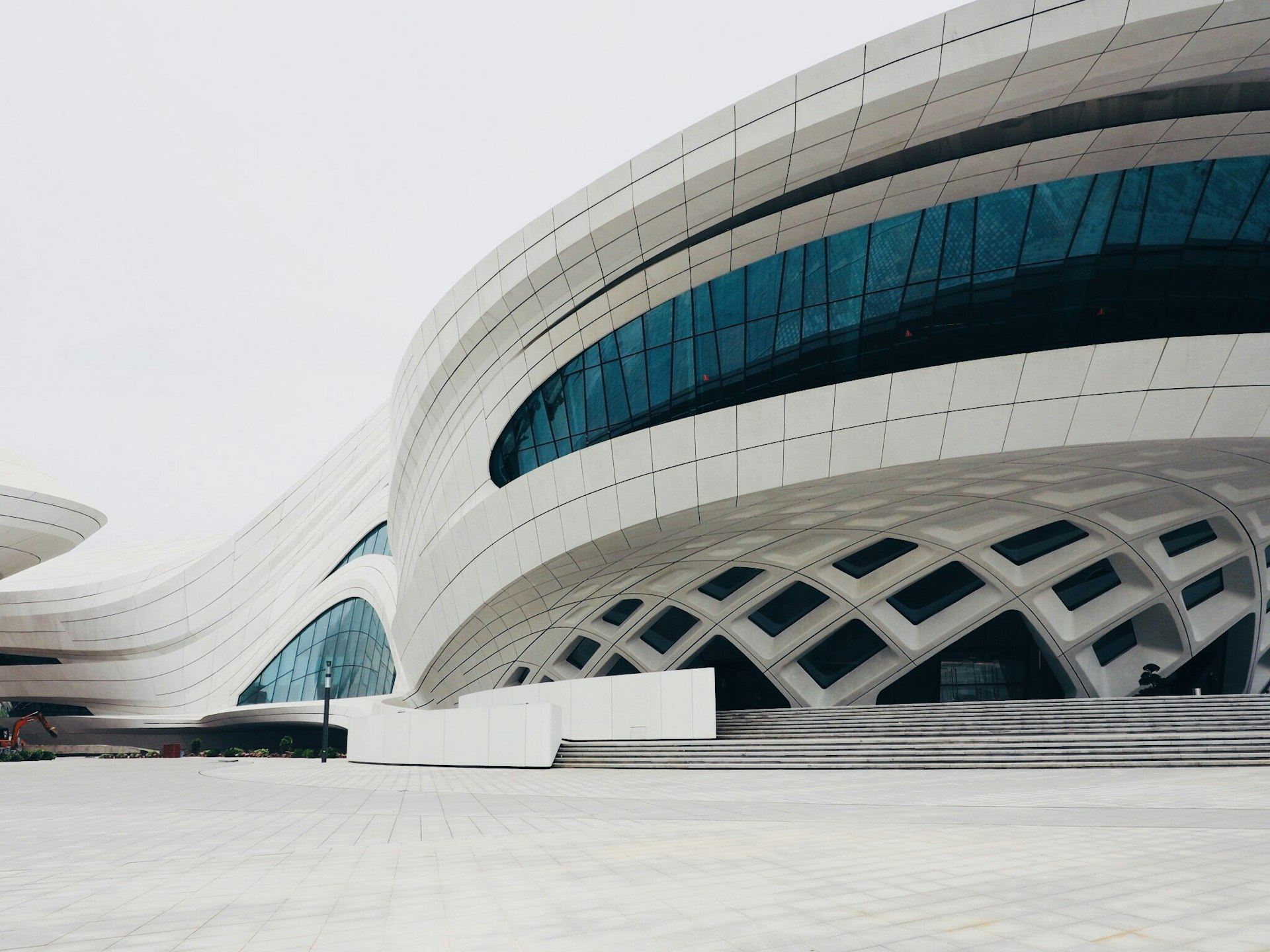


A firm number. A firm finish.
When the design is done and you want a fixed price, we bid every sheet, self-perform the scopes that set the pace and run closeout from the first floor up, not after the last trade leaves.
What is at stake.
Missed scope comes back as change orders
A bid that skips a detail or a spec section is not cheaper. It is a future change order with interest.
Gaps live between subcontracts
Blocking, firestopping and the work at trade boundaries fall through when nobody owns them. A general contractor has to own every line.
The last ten percent takes the longest
Punch lists, warranties and closeout documents can drag for months if they wait until the building looks finished.
How we run it.

- 01
Takeoff from every sheet
Full quantity takeoffs, written scope sheets for each trade and bid-day leveling that compares subcontract numbers line by line.
- 02
Lump sum with clear terms
One price for the defined scope, a schedule of values that mirrors the work and a change process both sides agree on up front.
- 03
Our crews on the critical path
We self-perform concrete, steel erection and other pace-setting scopes, so the schedule depends on people we direct.
- 04
Look-ahead discipline
Superintendents run daily coordination and three-week look-ahead schedules, and push RFIs to answers before they stop a crew.
- 05
Closeout as you go
Rolling punch lists, commissioning, O&M manuals, warranties and as-builts are assembled floor by floor during the work.
What lands on your desk.
Scope is set project by project. These are the working documents you can count on, updated on a regular cycle and yours to keep.
A complete bid with clarifications, alternates and unit prices where requested.
Line items that match the work in place, so pay applications are quick to review.
A schedule with crews and durations that shows exactly how the work gets done.
Schedule variance, RFI and submittal logs, change tracking and safety on one report.
Warranties, O&M manuals, as-builts, attic stock and training, delivered with the keys.

Eighteen floors, tenant still at work.
The office tower stayed occupied while it was rebuilt floor by floor into a modern headquarters. Each floor became its own phase with its own shutdowns, noise windows and protection plan, and the tenant kept working above and below the active floors from start to finish.
- 18
- Floors repositioned
- 1
- Occupied tower, never vacated
- 2024
- Delivered

What owners want to know.
When does general contracting fit best?
When the design is complete, the scope is well defined and you want a firm price. If the design is still evolving, construction management or design-build may serve you better.
Do you bid public projects?
Yes. We bid public work under each agency’s procurement rules, including the bonding, wage and local participation terms in the bid documents.
Which scopes do you self-perform?
Typically concrete, steel erection, earthwork and general conditions. We decide project by project which scopes our crews should carry to protect the schedule.
How are changes handled on a lump-sum contract?
In writing. Each change is priced with backup, its schedule effect is shown against the baseline and nothing proceeds without approval.

Bring us the schedule that worries you.
Share the drawings, the budget or the date you cannot miss. A GilbertLanham project lead will walk through the critical path with you and tell you plainly where the risk sits.