Safe by plan. Right by design.
Injuries and rework start the same way: an unplanned step, an unchecked first piece, a concern nobody voiced. We build safety and quality into the schedule itself, for our crews and every partner on site.
Zero harm is scheduled in.
A hazard removed in the sequence never reaches a worker. That is why safety belongs to planning before it belongs to the field.
Plan it out
Lift plans, pre-task plans and logistics plans find the danger on paper, long before a crew is exposed to it.
Reset when things change
A weather shift, an early delivery or a short crew changes the risk. When conditions change, the plan is redone before work continues.
Share every lesson
Near misses travel across all sites within days and turn into concrete changes to how we work.
Stopping a job costs an hour. Not stopping it can cost a life.
Safety leader, GilbertLanham
Every person on a GilbertLanham site has both the right and the duty to stop work they believe is unsafe. Work resumes only when the hazard is controlled and the crew agrees the plan is sound. The person who called the stop is always thanked.
How a shift begins.
Five steps, the same on a tower deck, a highway shoulder or a substation pad.
Pre-task plan
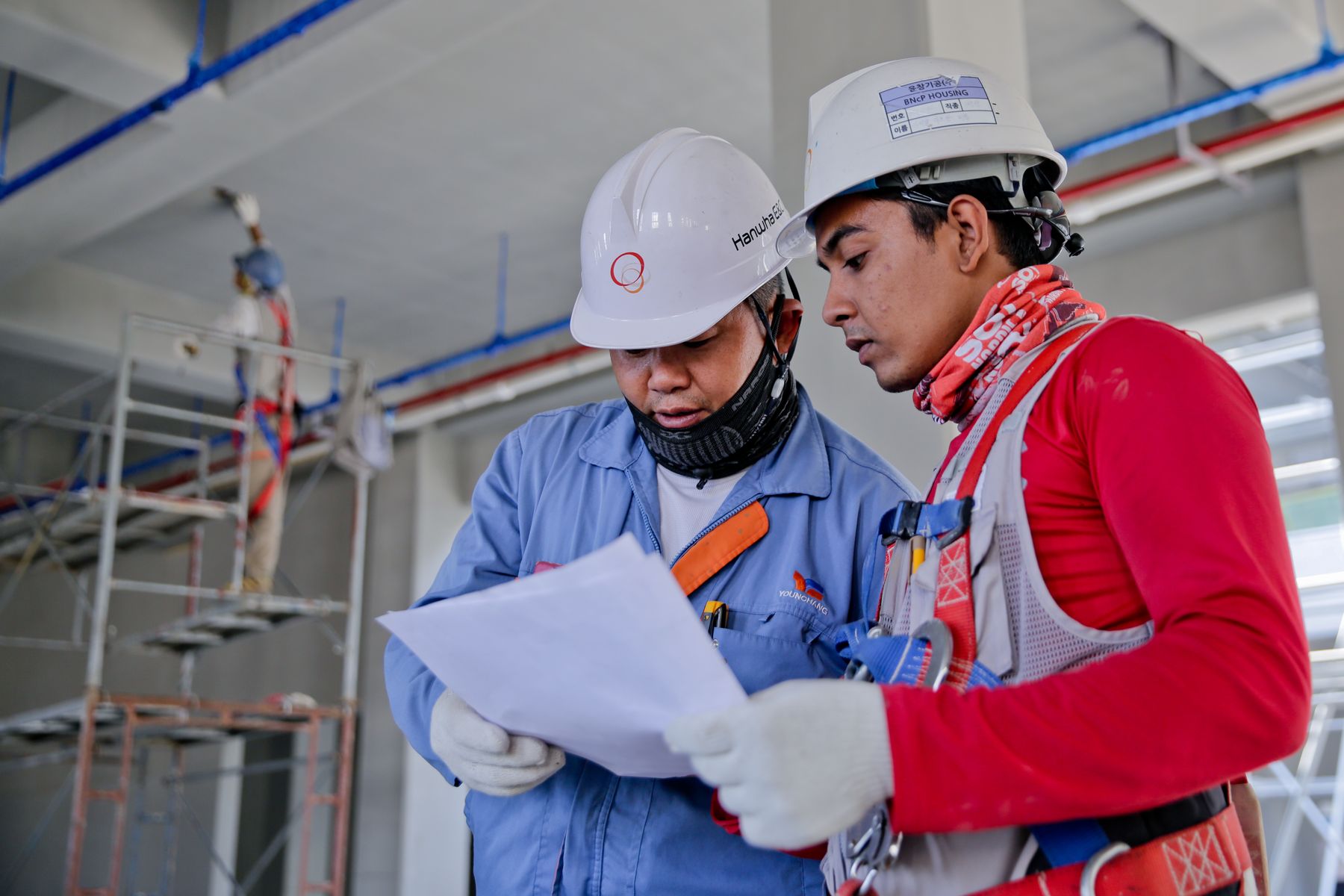
The crew walks its area, lists the hazards in today’s work and writes the controls down. Nobody opens a gang box until it is signed.
Trade huddle
Foremen compare plans with the crews above, below and beside them. Conflicts over space, hoists and access get settled on paper.
Permits posted
Hot work, confined spaces, energized systems and critical lifts are permitted, signed and posted where the work happens.
First-piece check
The first unit of any new activity is checked against drawings, submittals and the plan before production continues.
Reset
The area is cleaned, changes are noted and anything tomorrow’s pre-task plan must cover is written into the look-ahead.
Caught early, fixed cheaply.

- QC-1
A written quality plan before mobilization
Every inspection, the standard it measures against, the hold point it sits at and the person who signs it off.
- QC-2
Preinstallation meetings
Designer, trade partner, superintendent and quality lead agree on submittals, sequence and tie-ins before the first piece goes in.
- QC-3
Mockups that set the bar
Envelope, roofing, waterproofing and finish mockups are built, tested and approved, so the standard is physical, not debatable.
- QC-4
First-work inspections
The first wall, the first slab, the first duct run. A defect caught on day one costs minutes. Caught at closeout, it costs weeks.
- QC-5
Testing on the critical path
Water testing, concrete breaks, pressure tests and functional checks are scheduled activities with float, not afterthoughts.
- QC-6
Punch as you go
Areas are completed and inspected in sequence, so the final walk confirms the work instead of starting a repair project.
Standards survive through people.
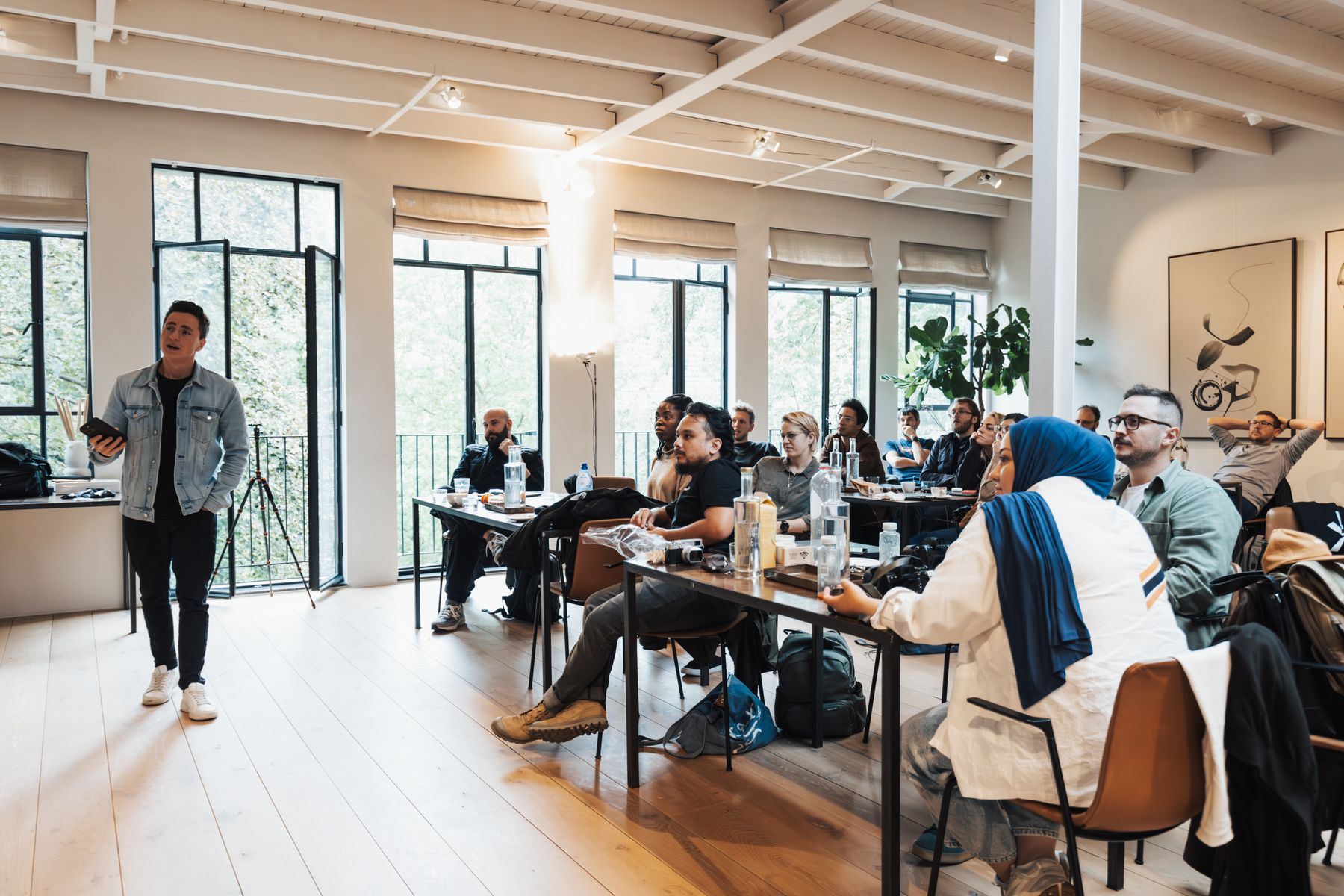
A rule holds through a hard week only if people have practiced it. We train from a worker’s first morning to a superintendent’s first project in charge.
- Site orientationFor every worker and visitor: site hazards, the emergency plan and how stop-work authority works.
- Craft skillsHands-on training for our self-perform crews in concrete, steel, rigging and equipment.
- Field leadershipHow to plan a shift, lead a pre-task plan, run a huddle and coach instead of police.
- Quality in practiceReading the quality plan, respecting a hold point and documenting a first-work inspection.
- Refreshers when work changesNew equipment, a new method or a lesson from another site triggers new training, not just an email.
Same bar for every trade.
Most hands on a jobsite belong to partners. A standard that skips them is not a standard.
We review each firm’s safety program, training and track record before bidding. The safest qualified partner has a real advantage over the cheapest.
Each partner submits a plan for its scope on this site, reviewed by our safety lead and the superintendent before work starts.
No one works on a GilbertLanham site without our orientation, whichever logo is on their hard hat.
Scaffolding, excavation, fall protection and rigging each have a named competent person present whenever that work is active.
Superintendents and partner foremen walk the site together. Findings are logged, assigned and closed, and reporting is never punished.
Partners follow the same quality plan, hold points and mockups as our own crews. One site, one bar.
Safety and quality, explained.
Who is allowed to stop work?
Everyone on site. An apprentice in their first week, a partner’s laborer, a visitor or an owner’s representative. If something looks unsafe, they stop it, and nobody is penalized.
Why are safety statistics not posted here?
We share safety records with owners during qualification, together with the documentation behind them. A single figure on a website says little about how a specific team will run your site.
How do trade partners fit into the program?
Fully inside it. Prequalification, site plans, orientation, daily pre-task planning and joint inspections apply to every firm on the job.
When does quality control begin?
During preconstruction. Constructability reviews, submittal reviews and the quality plan are finished before the first trade mobilizes, so the field team inherits a plan instead of improvising one.
What happens when someone finds a defect?
It is logged, photographed, assigned and tracked until closed. The person who found it is thanked. If it reveals a process gap, the process changes on every site.
Safe sites finish on time.
Ask how we plan safety and quality into your project, from the first estimate to the final punch item.