
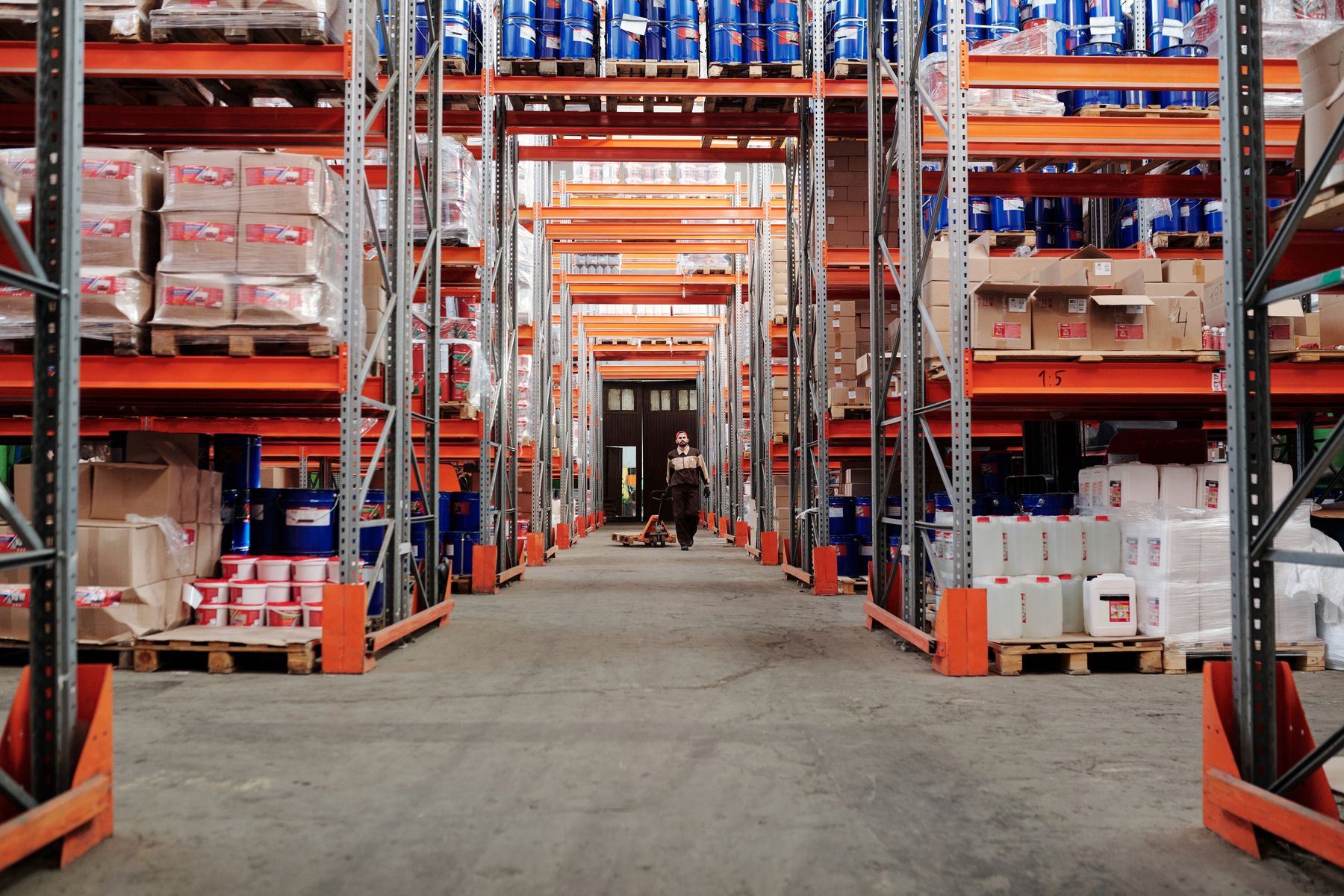
Your schedule lives in a factory.
We buy, track and expedite the equipment and materials that sit on the critical path, so a production slot three states away never becomes the reason your opening slips.
What is at stake.
Equipment can outlast the build
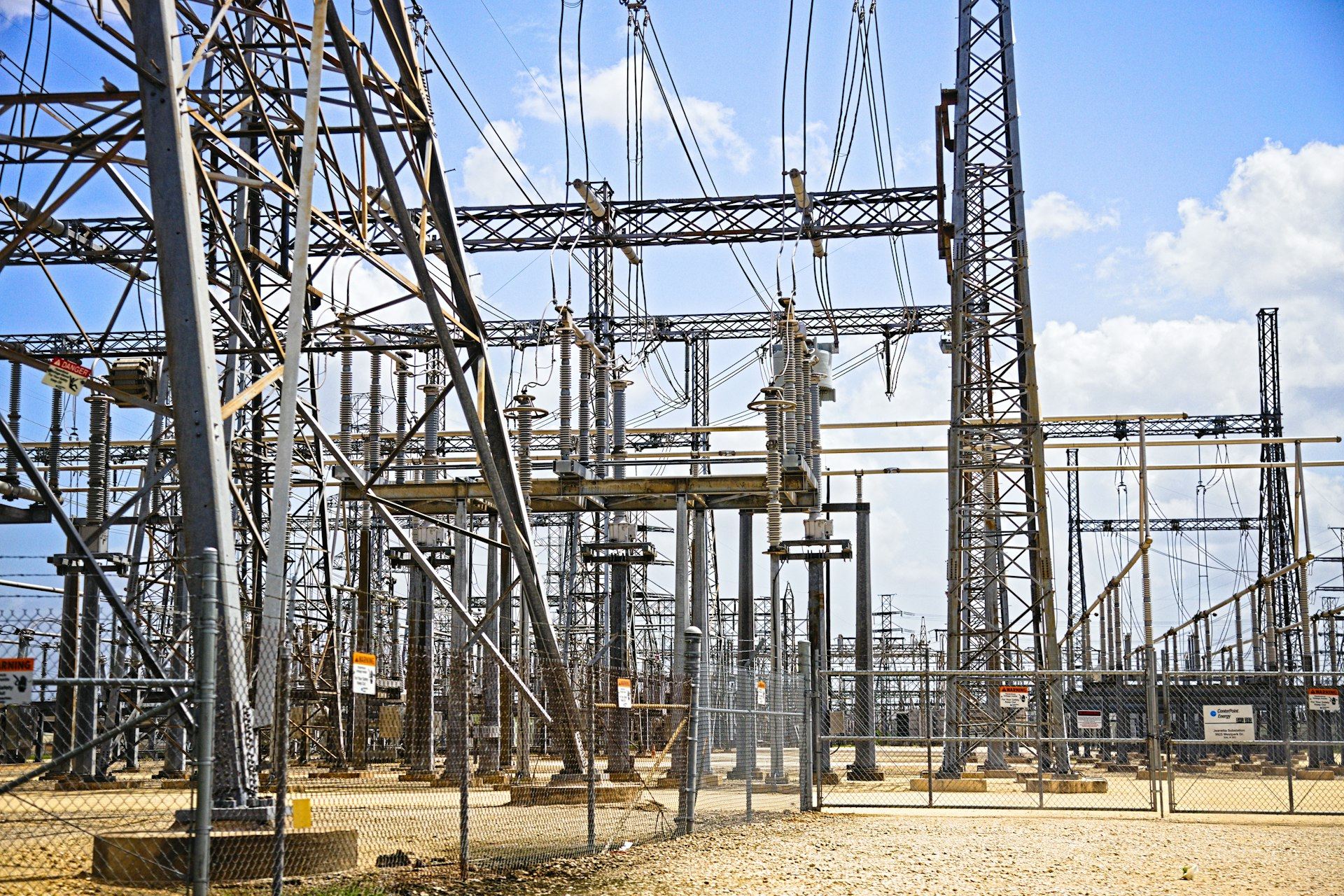
Switchgear, transformers, generators and specialty systems can take longer to arrive than the structure takes to go up. The order date is a schedule decision.
Funding comes with paperwork
Federally funded projects can carry domestic content rules. Missing certifications can surface in an audit long after the material is installed.
One late truck moves many crews
When a delivery slips, crews resequence, equipment sits and overtime starts. The real cost is far larger than the item.
How we track it.
- 01
Procurement tied to the schedule
Every critical item carries submittal, approval, release, fabrication and ship dates, each linked to the activity it feeds. When a date moves, the float hit shows up the same day.
- 02
Early release
Major equipment is released as soon as the design can specify it, often before construction documents are finished, to hold a place in the production line.
- 03
Domestic content documentation
Where federal funding applies, we confirm the requirements at bid, collect supplier certifications and keep the file organized for review.
- 04
Room for local and small businesses
Packages are sized so local and small firms can bid, with help through prequalification and payment terms that keep their cash moving.
- 05
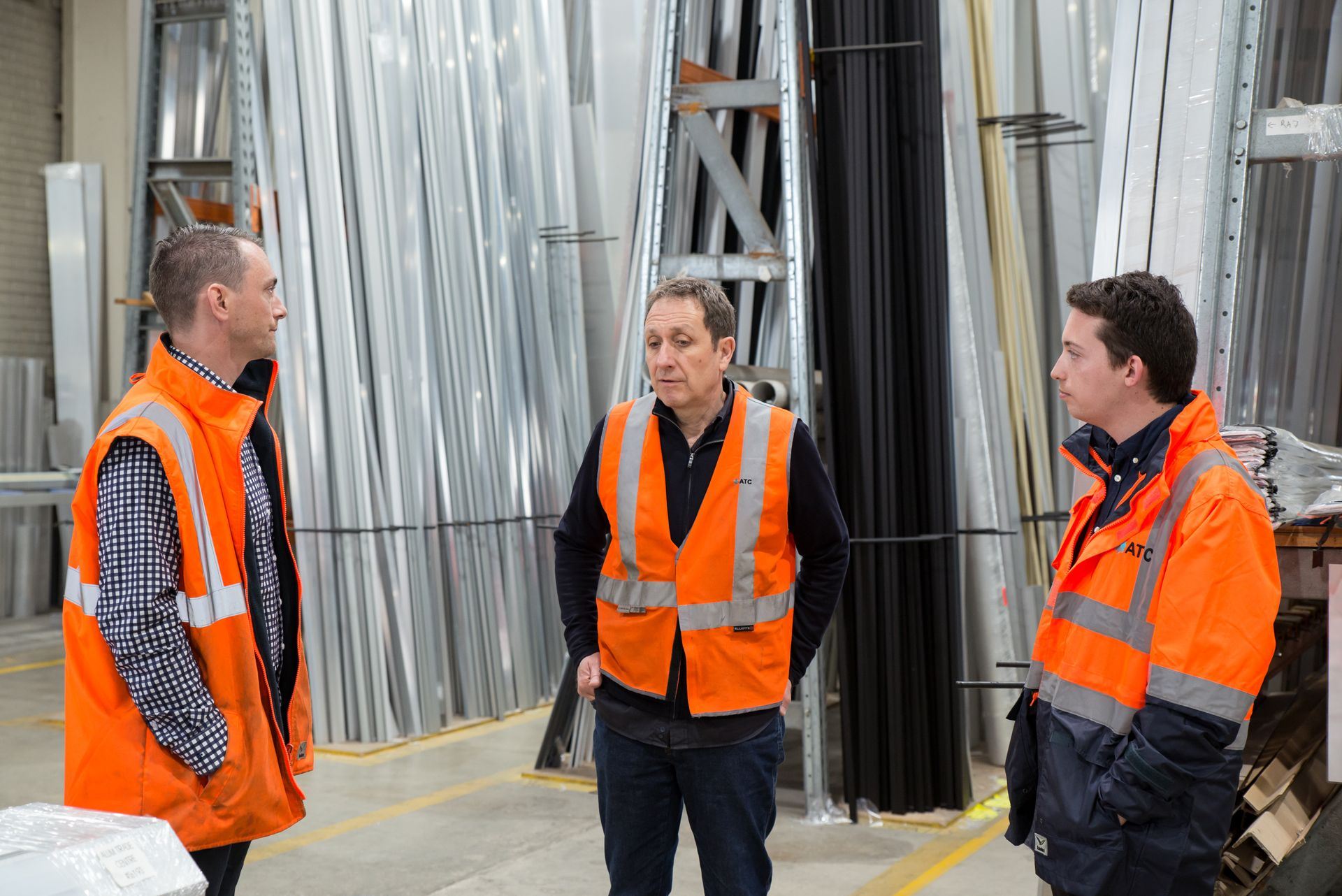
Factory visits and witness tests
We check production progress, witness factory tests and inspect before shipment, so equipment arrives built to spec and ready to set.
What lands on your desk.
Scope is set project by project. These are the working documents you can count on, updated on a regular cycle and yours to keep.
Status of every critical item from submittal to delivery, updated with each schedule cycle.
Order dates for equipment and materials, tied to design milestones and install dates.
Supplier certifications and backup organized for agency review, where it applies.
Commitments and payments to small, local and diverse firms against project goals.
Laydown areas, staging and delivery windows that keep a tight site clear.

No airline lost a slot.
The rebuilt apron, new baggage hall and upgraded gates depended on equipment with long fabrication times and deliveries that had to clear airside security. Each critical item was tracked weekly against the phase it fed, and every delivery was timed around live flight operations, so no airline lost a single departure slot.
- 22
- Acres of apron rebuilt
- 0
- Departure slots lost
- 2025
- Completed


What owners want to know.
When should long-lead equipment be ordered?
As soon as the design can specify it. We flag long-lead items in preconstruction and build their release dates into the master schedule from day one.
Can you manage domestic content requirements?
Yes. On federally funded work we confirm which rules apply, screen suppliers at bid and collect the certifications the funding agency expects.
Can we buy equipment directly?
Yes. Owner-furnished equipment can save markup. We track it in the same log, coordinate delivery and handle receiving and installation.
How do you open work to small and local firms?
We break scopes into packages they can carry, walk them through prequalification and keep payment on a predictable cycle.

Bring us the schedule that worries you.
Share the drawings, the budget or the date you cannot miss. A GilbertLanham project lead will walk through the critical path with you and tell you plainly where the risk sits.