Build for year thirty.
A P3 rewards the decisions that still look good decades after opening day. We design and build with the operating term in view, and we work with agencies, sponsors, lenders and operators to place each risk with the party best able to manage it.
Partners who think in decades.
- P1
Public agencies
Owners with a defined asset, a realistic procurement timeline and performance standards they expect met for the full term.
- P2
Sponsors and equity
Investors who understand construction risk and want the design-builder involved from early feasibility.
- P3
Designers and engineers
Firms who design for maintenance and lifecycle cost, and who stay engaged through commissioning.
- P4
Operators
The people who will run the asset after handover, brought in while their input can still change the design.
Five phases, one plan.
Structures vary by agency and state, but these phases appear in nearly every P3. We plan for each of them from the first workshop.
Feasibility, value-for-money work, early cost and schedule, and a procurement path the agency can defend.
Equity, debt and public funds assembled by the sponsor team, supported by construction pricing lenders can rely on.
A fixed-price, date-certain contract between the project company and the design-builder.
Maintenance, renewals and performance standards measured against the project agreement.
The asset returned to the public owner at the end of the term in the condition the agreement requires.
Put each risk where it can be managed.
A P3 is a long contract about who carries which risk. These are the terms we spend the most time on, described in general. Every project agreement sets its own.
The owner pays the project company over the term for keeping the asset open and performing. Deductions apply when it falls short, and demand risk usually stays public.
Sometimes the private partner collects tolls or fees and carries demand risk, which changes the financing and the design priorities.
A fixed price and a guaranteed completion date, passed from the project company to the design-builder and backed by security.
Planned renewals of roofs, pavements, equipment and systems. Choices made during design set the cost of every one.
Response times, condition requirements and availability targets that link payment to how the asset actually performs.
Condition surveys and remaining-life standards the asset must meet when it returns to the owner.
Design for the operating term
Our facilities and transition team reviews access, durability and maintenance cost before the design is priced.
Numbers lenders can rely on
Estimates and schedules built from real quantities and our own production rates, with contingency tied to a named risk register.
Handover planned from day one
Commissioning, asset data and operator training scoped early, so the operator inherits an asset it can run.
What P3 partners can expect.
Four commitments we make to every partner, on every job, whether your firm has five people or five hundred.
- Payment
- Terms in writing before you mobilizeSubcontract and supply terms on P3 work are set at award, flowed down plainly from the project agreement and paid on the agreed schedule.
- Safety
- The same rules for every crewA site-specific safety plan, pre-task planning every shift and the authority for any worker, yours or ours, to stop a task that looks wrong.
- Communication
- A schedule you can plan aroundOpen cost and schedule reporting to sponsors, lenders and their advisors, with independent engineer reviews treated as part of the work.
- Growth
- A path to bigger scopesP3 programs often carry local and small business goals. Rising Trade Partners helps emerging firms take part.
P3 questions.
What role does GilbertLanham play in a P3?
Most often the design-builder, contracted to the project company to deliver the asset for a fixed price and date. We can also support development, lifecycle planning and the transition into operations.
What is an availability payment?
A recurring payment from the public owner to the project company for keeping the asset available and meeting performance standards. Missed standards lead to deductions.
Which assets suit a P3?
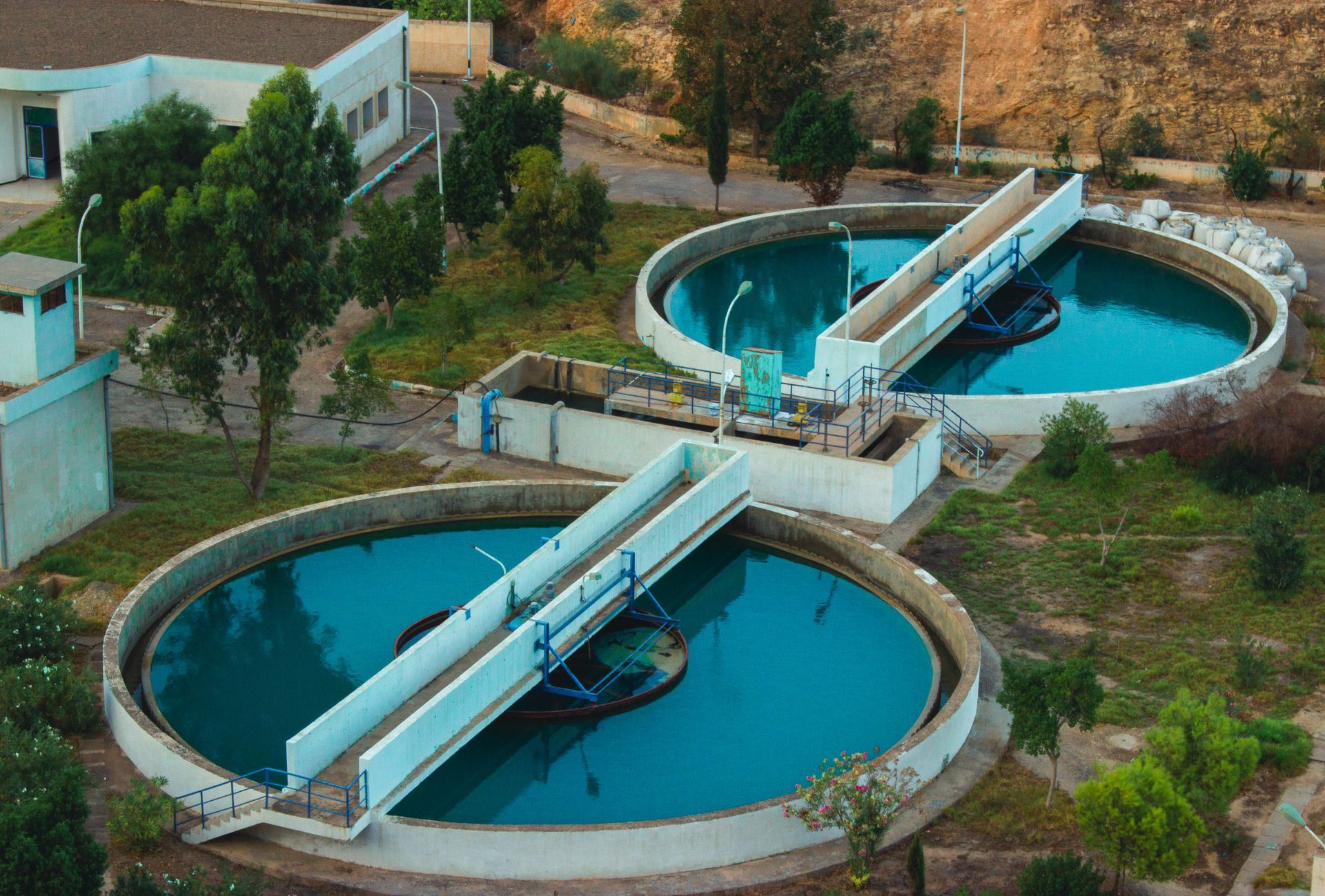
Long-lived assets with predictable maintenance: highways and bridges, transit facilities, water and wastewater plants, courthouses, campus housing and other public buildings.
How do lifecycle obligations change construction?
They change the math. A cheaper pump or roof that fails early costs the project company later, so we compare first cost with lifecycle cost before the design is locked.
Can trade partners and suppliers work on your P3 projects?
Yes. Prequalified subcontractors and registered suppliers are invited to bid P3 scopes. Agencies and sponsors can reach our team at partnership@gilbertlanham.com.
Plan the asset for its whole life.
Agencies, sponsors and partners can reach our P3 team directly. Tell us about the asset, the procurement and the timeline.