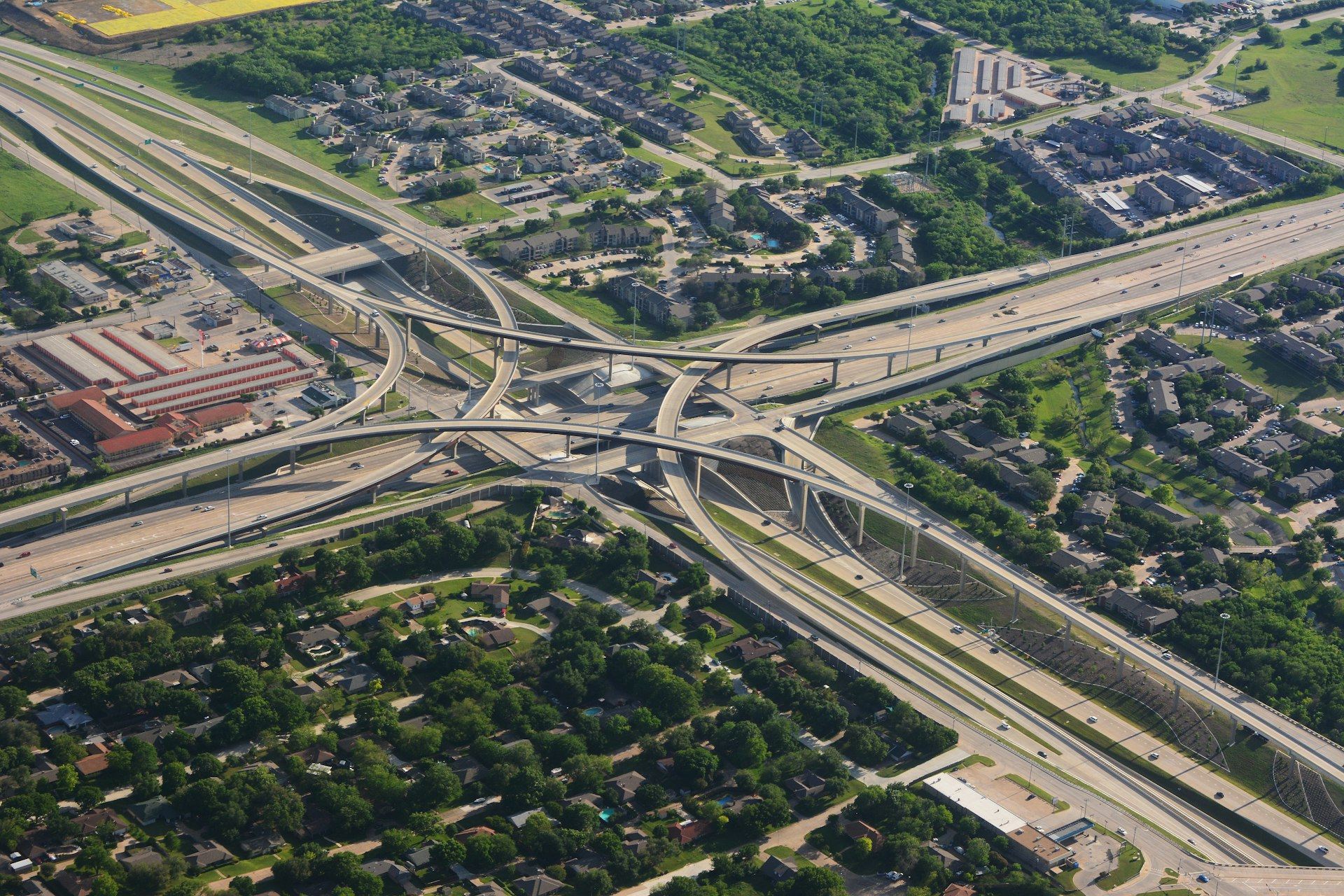
Overnight, crews opened the last new ramp at the Interstate Interchange Reconstruction. With it, the old cloverleaf is gone. In its place is a modern system interchange with seven ramps that move traffic between two interstates without the weaving that defined the old design. It was built while every lane stayed open at rush hour.
Rebuilding a junction that never closes
A cloverleaf asks drivers entering and leaving the highway to cross paths in the same short stretch of road. Replacing it means building new flyover ramps through the middle of live traffic, then moving that traffic onto them one movement at a time. The design-build team planned the structures, the drainage and the traffic phasing together, because on this job the order of construction was the design.
- Flyovers first. The new high-level ramps were built while traffic used the old loops below, so drivers kept their routes until the new ones were ready.
- Switches planned to the minute. Each traffic shift had a written plan, a crew sized to finish inside the window and a reopening time that did not move.
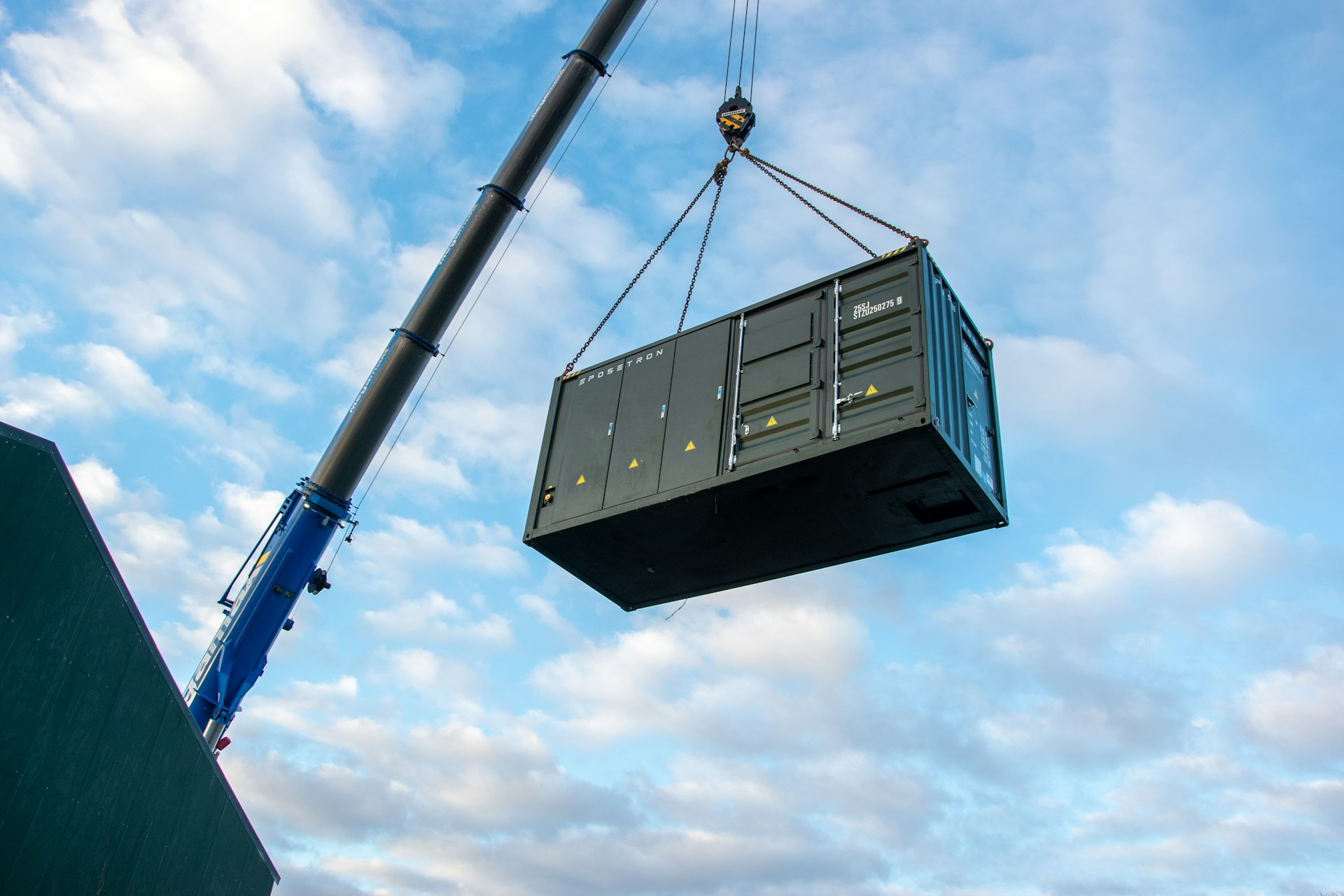
- Beam sets at night. Girders over live lanes were set during short overnight closures, with each pick planned and rehearsed before the night it happened.
- Loops removed last. Once traffic moved to a new ramp, the old loop behind it came out and the ground was regraded for drainage and landscaping.
The final switch
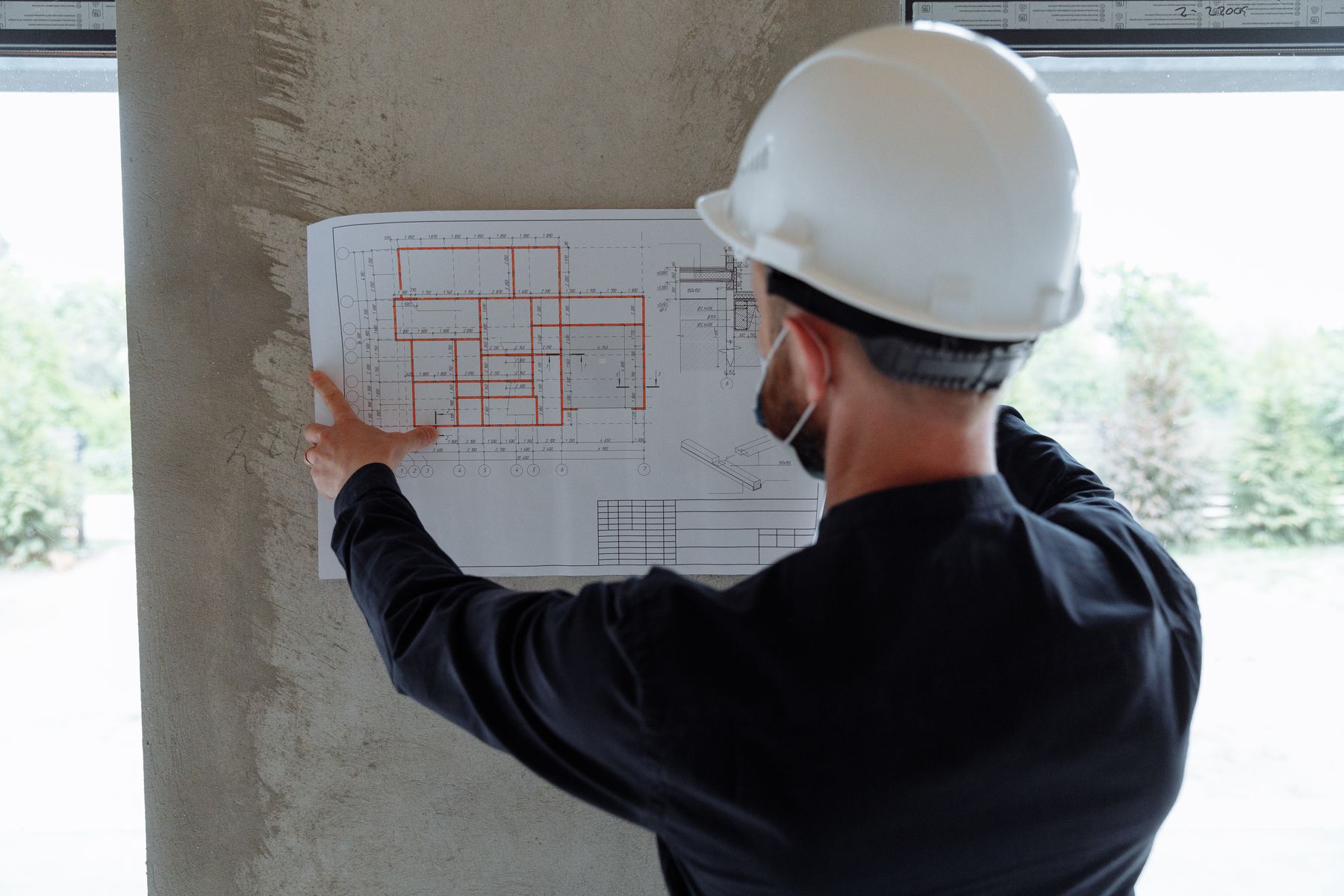
The last ramp was the tightest. It carries the heaviest morning movement, so the team built it to full readiness, tested lighting, signals and signage in advance, and scheduled the switch for the quietest hours of the week. Before the cones came up, the project team walked the ramp end to end: striping, barrier, drainage inlets, signs and lighting. Morning traffic used the new ramp as if it had always been there.
The best compliment a highway crew can get is that nobody noticed the switch. Drivers went to work on a new interchange and their commute was the same.
Project manager, GilbertLanham
What remains
The open work is now off the travel lanes: final landscaping, stormwater cleanup, punch list items and the closeout records the owner needs to maintain the interchange for decades. Our thanks go to the design engineers, our self-performed crews, our trade partners and the traffic control teams who worked night after night, and to the drivers and neighbors who planned around us.