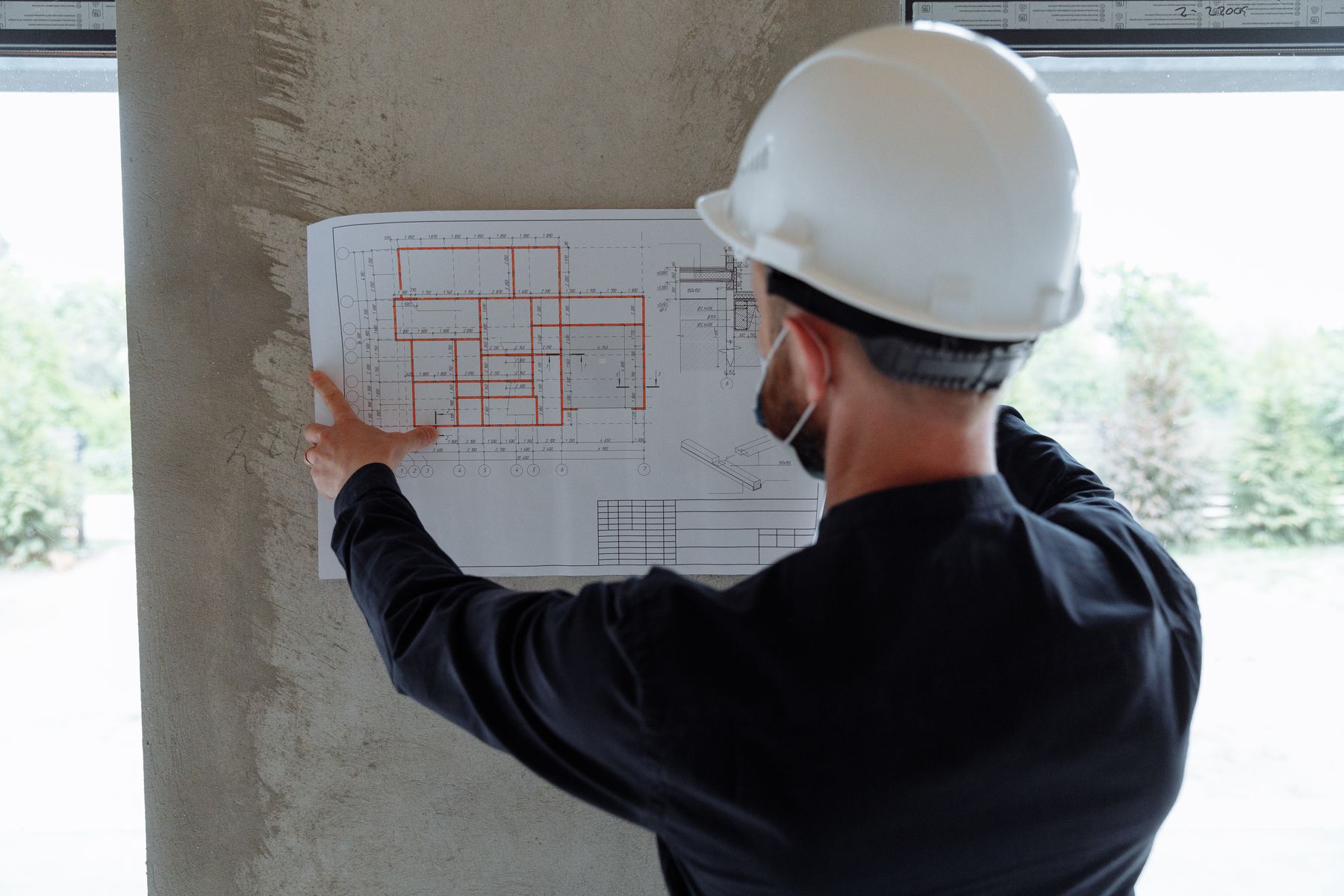
Here is a test for any prefabrication pitch. Ask to see the critical path with the off-site work and without it, side by side. If the finish date does not move, you are buying a manufacturing process, not a schedule. That might still be worth it for quality or safety. But it should be a clear-eyed choice, not a trend you signed up for.
Prefabrication is a parallel path
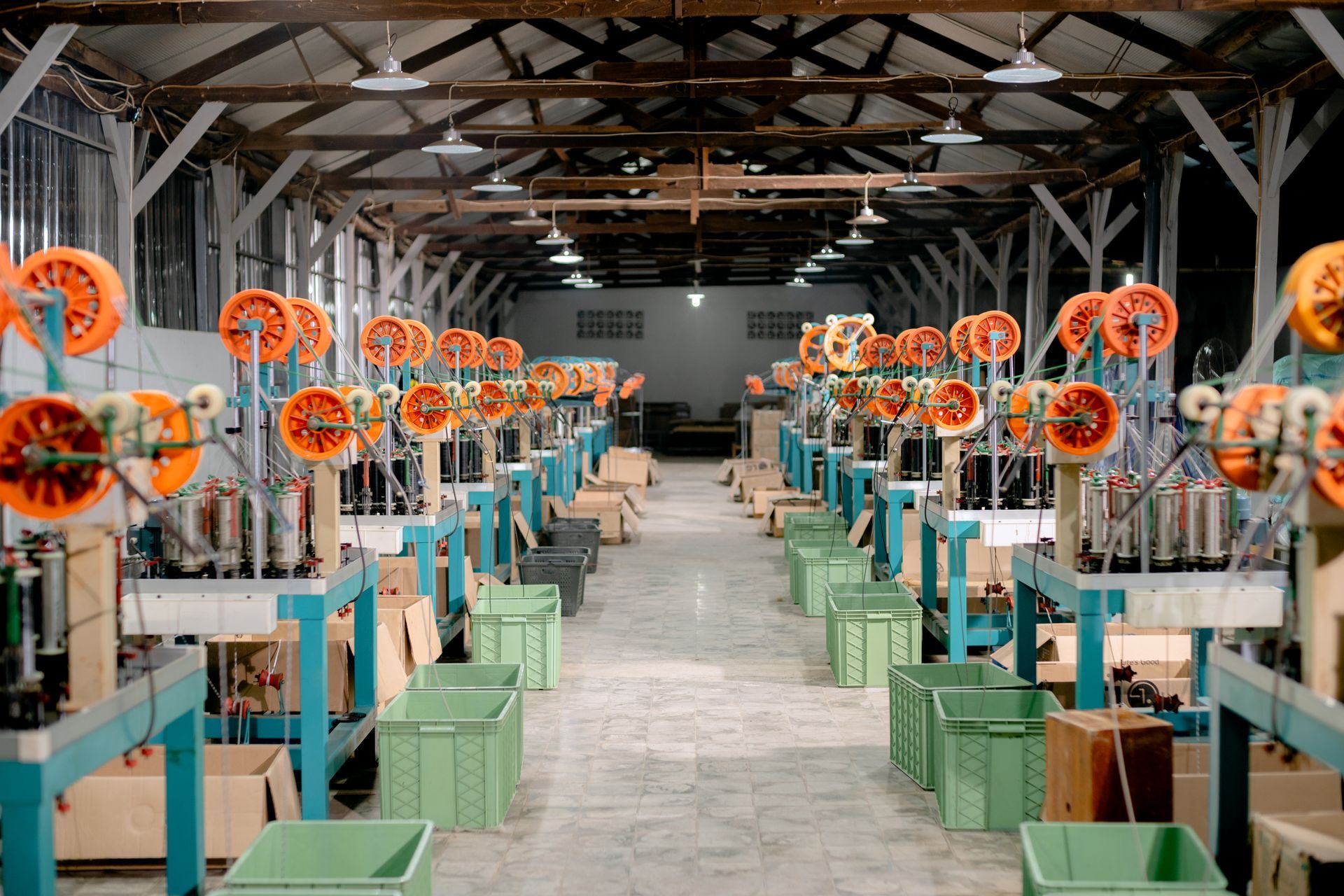
The value of building off site comes from one thing: doing work at the same time that would otherwise happen in sequence. Racks get assembled while foundations cure. Bathroom pods are built while the frame goes up. Skids are tested in a shop while the pad is poured. When the site is ready, the work arrives finished.
That only shortens the project if the parallel work sits on or near the critical path. Corridor MEP racks, vertical risers, repetitive bathrooms, exterior wall panels, equipment skids and pipe racks are common candidates. A unique lobby feature, built off site, rarely moves the finish date at all.
Decide early or do not decide
Prefabrication bolted onto a finished design is usually expensive. Dimensions, structure and routing were set for field work, and converting them means redesign. The decision has to be made while the design is still loose.
- Fix a planning grid and module sizes that fit a truck, a permit and a crane pick.
- Define every interface between shop work and field work, including tolerances and who owns each joint.
- Freeze the design of prefabricated elements ahead of the rest of the building, so the shop can start on time.
- Route MEP in repeatable patterns a rack or pod can carry.
- Put transport, staging and crane access on the logistics plan from the first draft.
Schedule the shop like a site
A fabrication shop needs its own schedule, logically linked to the field schedule by each assembly's install date. Work backward from that date through shipping, inspection, testing, assembly, material receipt and procurement. If the shop schedule lives in a separate spreadsheet that nobody updates, the parallel path is a fiction.
Off-site work does not save time by itself. It saves time when the shop and the field share one critical path and one set of dates.
Yusuf Balogun, Founder & Chief Executive Officer
Quality and safety ride along
Work done at a bench, at waist height and under a roof is easier to inspect and repeat than the same work done overhead in the rain. Fewer hours at height and fewer trades stacked on one floor reduce exposure. These benefits are real, and they count even when the schedule gain is modest.
Know when to build it in the field
Low repetition, a site trucks cannot reach or a design that cannot freeze early all argue for skilled field crews. Transport, shop capacity and the cost of storing finished assemblies belong in the comparison. Our advice is simple. Put both paths on the schedule, compare them honestly, and commit early to whichever one wins. If you want that comparison for your project, our design-manufacture-install team will build it with you.